SMILE!
OCTOBER 1 - NOVEMBER 11, 2026
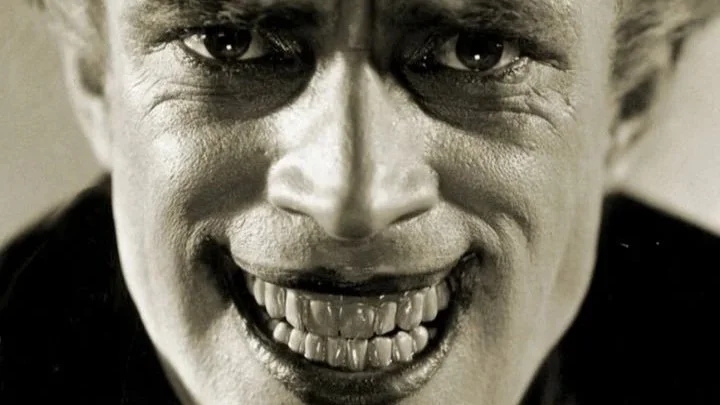
The smile communicates a variety of things to many different people. Whether signaling inner happiness or serving as a social emotional response, it can evoke an immediate reaction. In the context of contemporary art, although a smile is reflexively construed by the viewer as positive, many artists leverage this expectation to offer interpretations that branch in a multitude of directions. It is in this context that we present SMILE!, featuring eight contemporary artists who explore these varied approaches and interpretations in their work.
Evoking childhood and a youthful spirit, Mike Swaney’s work blurs the line between high art and naïve play. His inventive use of ceramic shards to build vibrant mosaics disarms at first glance, only to reveal a subtle balance of poetic sensibility and humor. In a similar vein, Susan Carr’s young girls feature euphoric, frozen smiles that radiate an initial sense of joy, yet are subtly subverted by dense, accumulated pigment that suggests an inner turmoil hidden behind the mask.
This subtle sense of terror lurking behind a grin also percolates through the work of Jonathan Edelhuber and Tim Biskup, whose grimacing figures remain firmly rooted in a pop-cultural aesthetic that feels simultaneously humorous and frightening.
When encountering the glass works of Finn O’Sullivan, the smile is deployed in its purest form, operating within a space of pure delight. Their dazzling simplicity of form and vibrant color stands as a testament to happiness, accentuated by shapes that evoke the innate pleasure of eating.
Meanwhile, Dan McCarthy and Beni Bischoff use emoji-like smiles to underscore an irony of convenience, treating the smile as a stand-in for deeper emotional complexities that contemporary culture rarely allows. Finally, the artist Bijijoo approaches the smile as an expression of human transcendence, capturing an internal life force filtered through the prism of knowledge and enlightenment.
When the concept for this exhibition first came to me, my initial reaction was to dismiss it as too silly or absurd. But I soon realized that its absurdity was precisely what made it compelling: shattering the assumption that featuring a smile in art might be simply frivolous or limited to a straightforward expression of happiness. Instead, I took it as a challenge to lean into that frivolity—to highlight the tendency to dismiss it as a pretext for limiting our perceptions of what is serious, and to reshape our perspectives on what is meaningful.
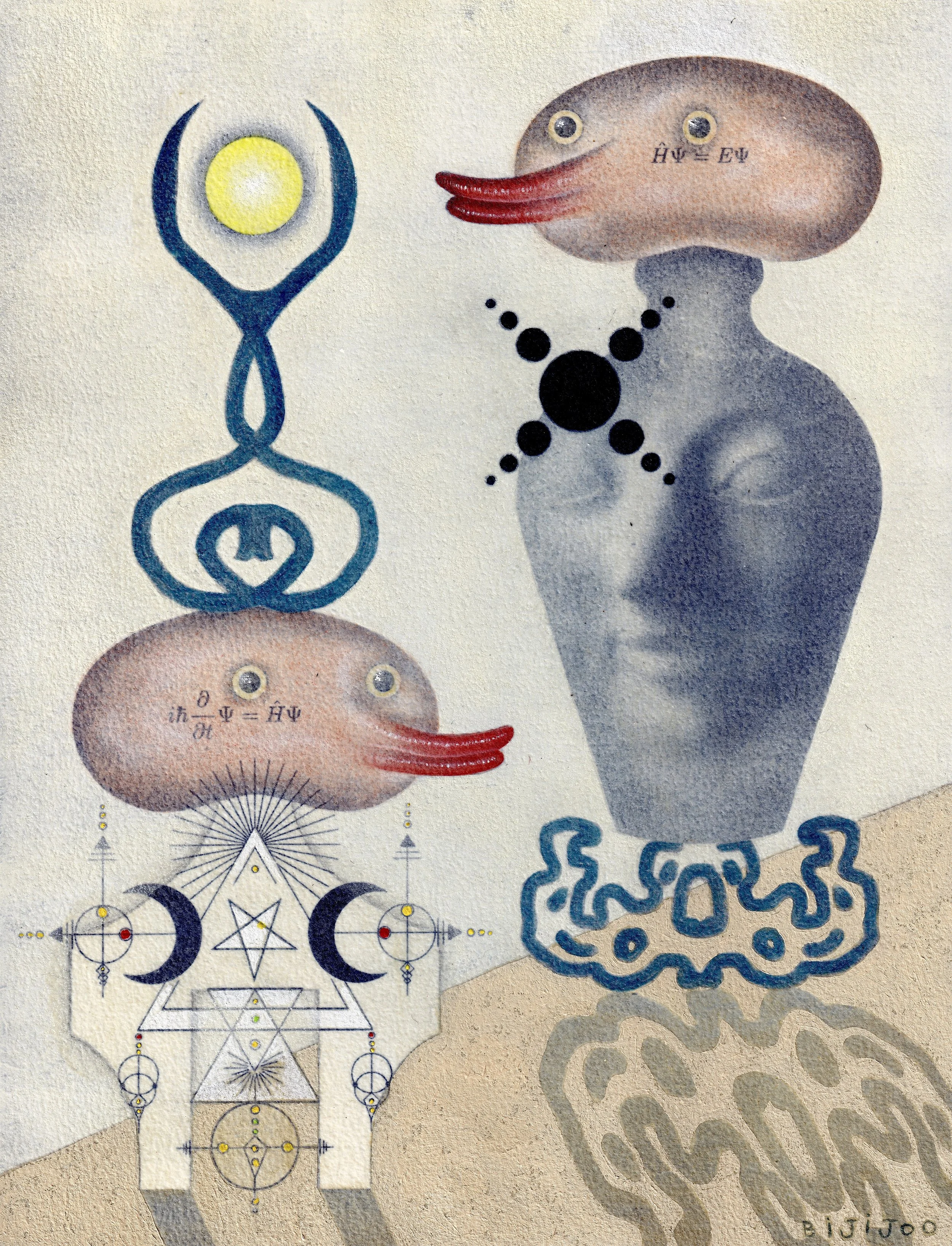
Bijijoo
ĤΨ = EΨ (Quantum Waves)
cyanotype, graphite, colored pencil, and oil paint on gessoed paper
10½ x 8 in.
26 x 20 cm
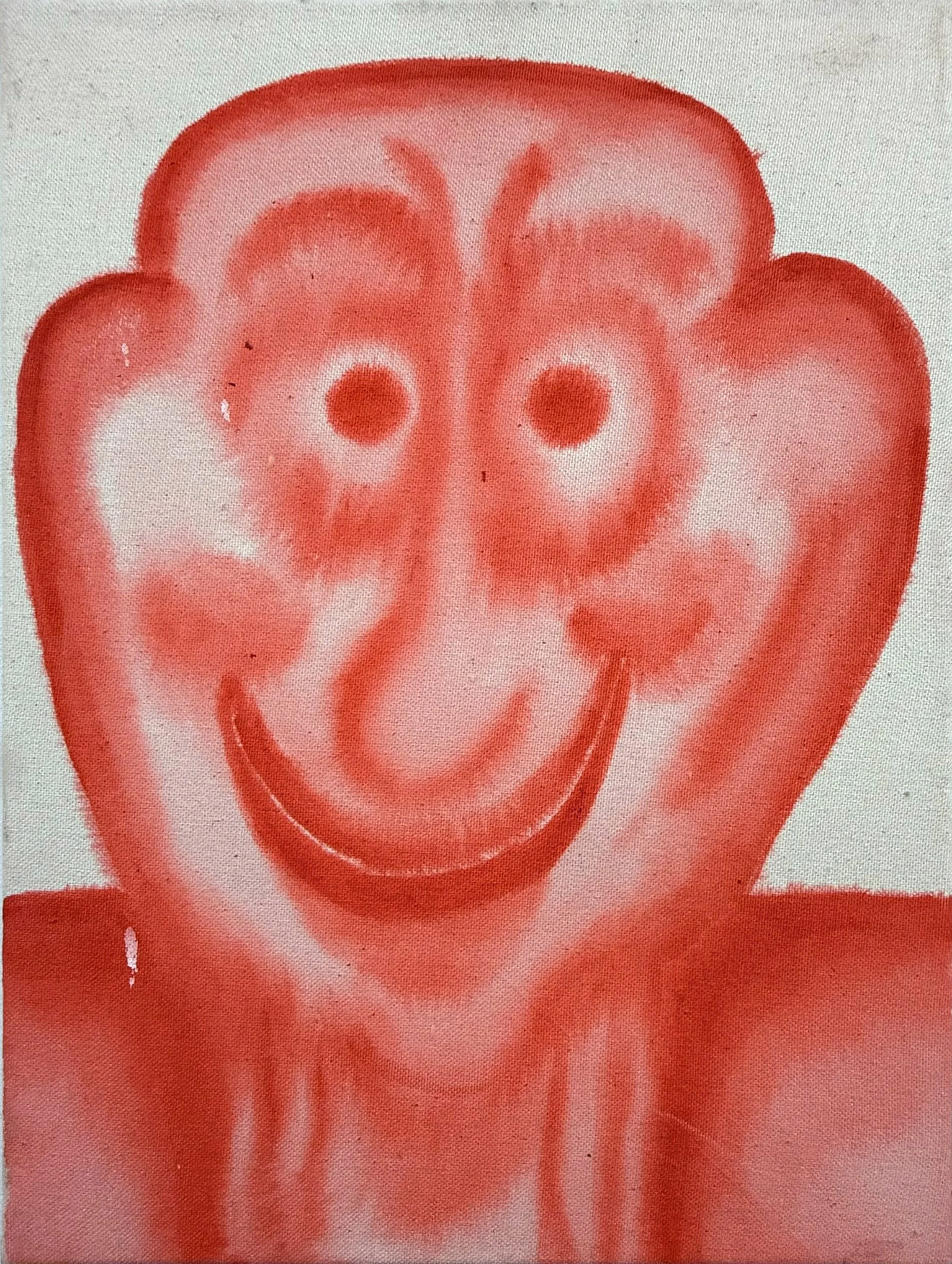
Beni Bischof
Portrait of B. T., 2022
acrylic on cotton
15¾ x 11¾ in.
40 x 30 cm
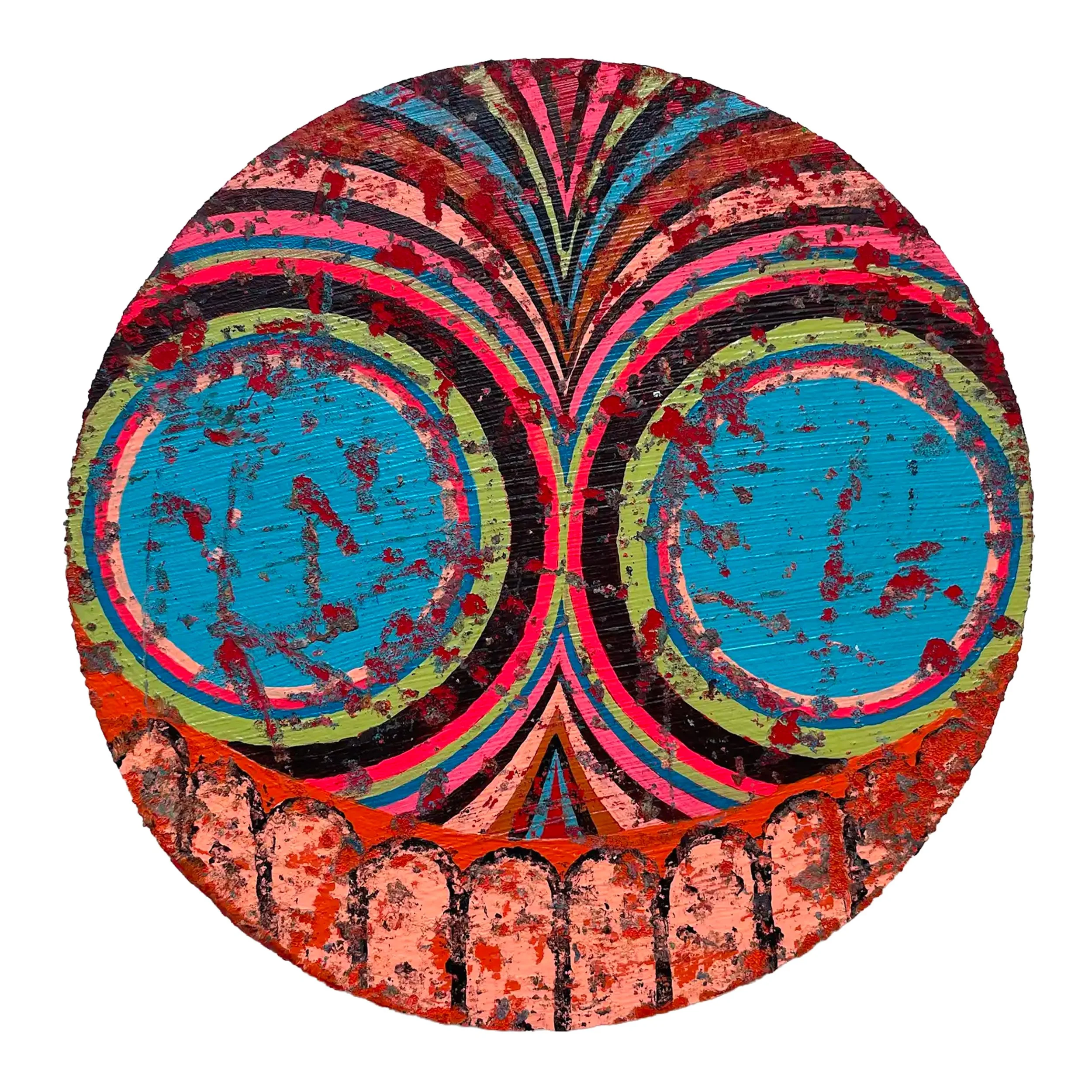
Jonathan Edelhuber
Under The Black Locust Tree, No.6, 2024
acrylic on wood
5¾ x 5¾ in.
14 x 14 cm
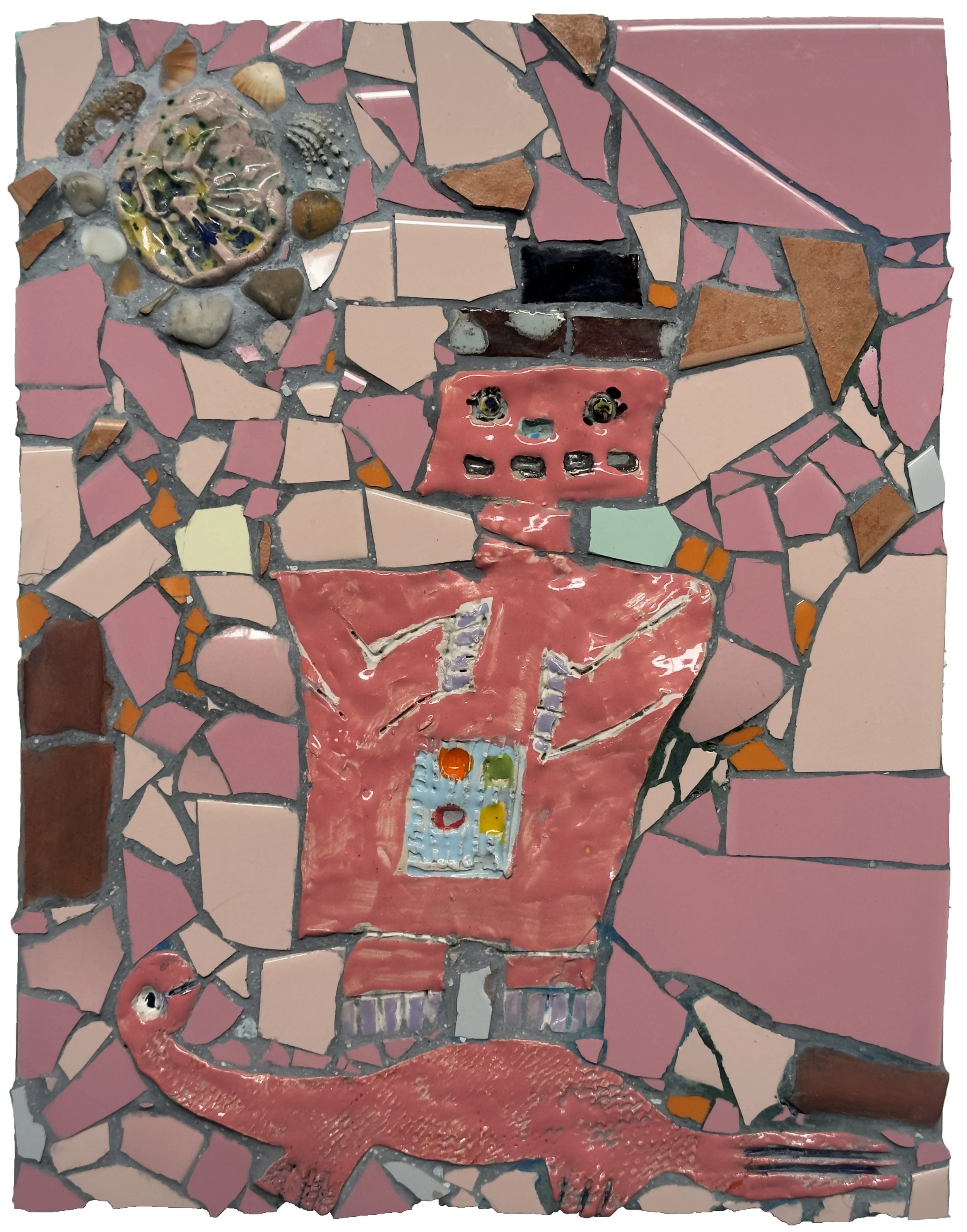
Mike Swaney
Ida's Hideout, 2026
Tiles and ceramic on wood panel
11 x 14⅛ in.
28 x 36 cm
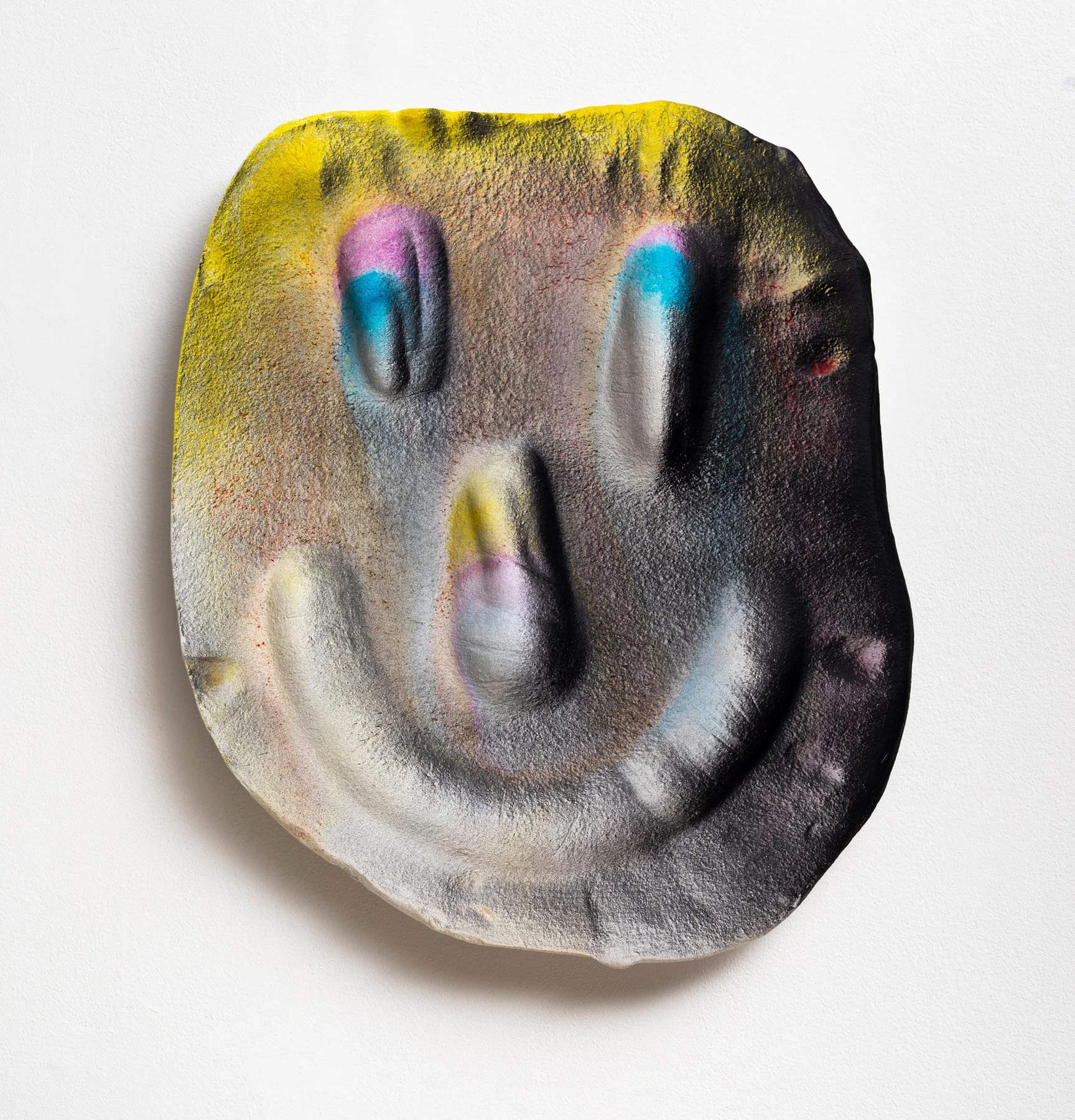
Dan McCarthy
Rainbow/ Breeze / Spaceghost, 2019
Ceramic clay, gesso, oil paint, matte varnish
18¼ x 16½ x 2½ in.
46 x 41 x 6 cm
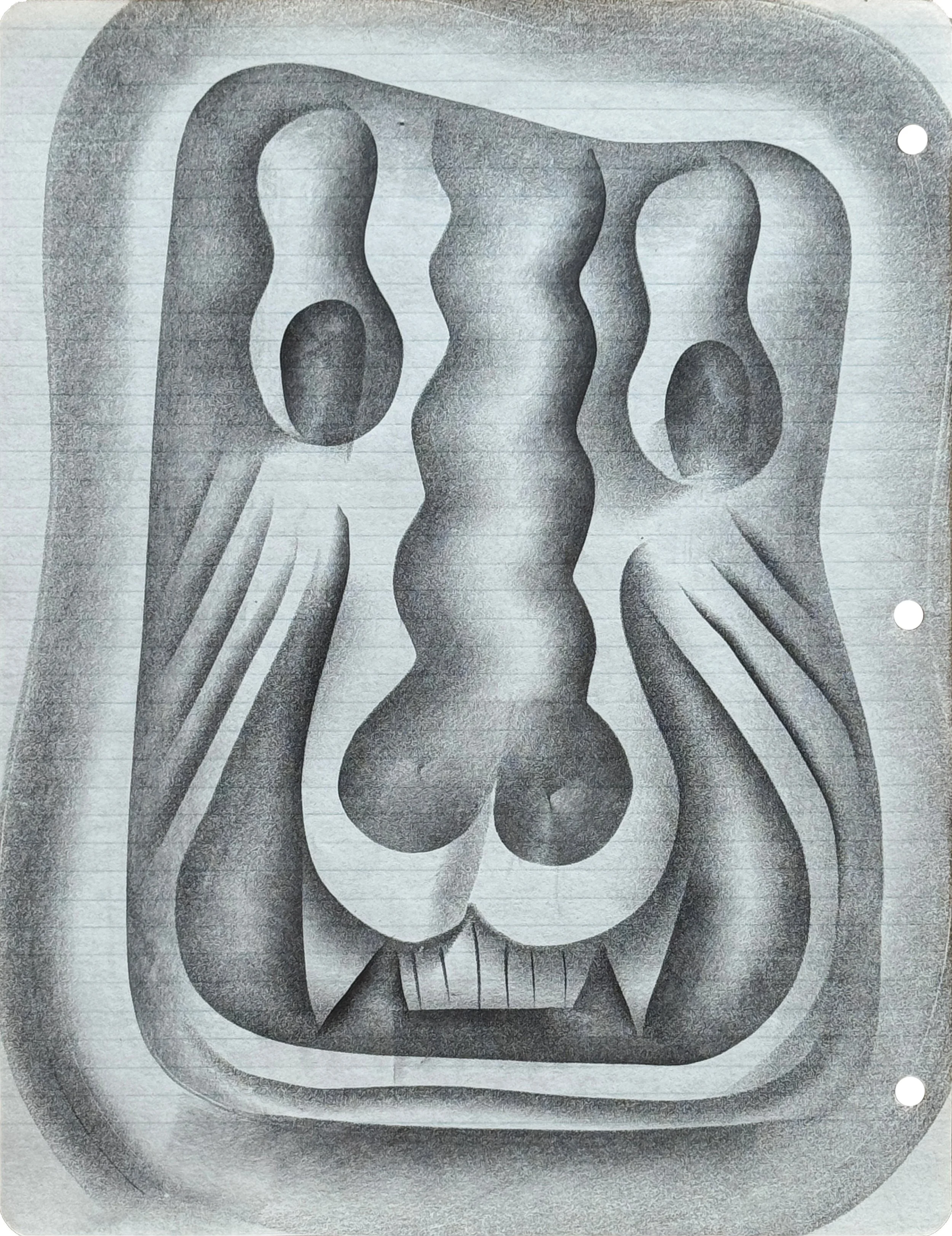
Tim Biskup
Juice Cat, 2026
Graphite on Newsprint
11 x 8½ in.
27 x 21 cm
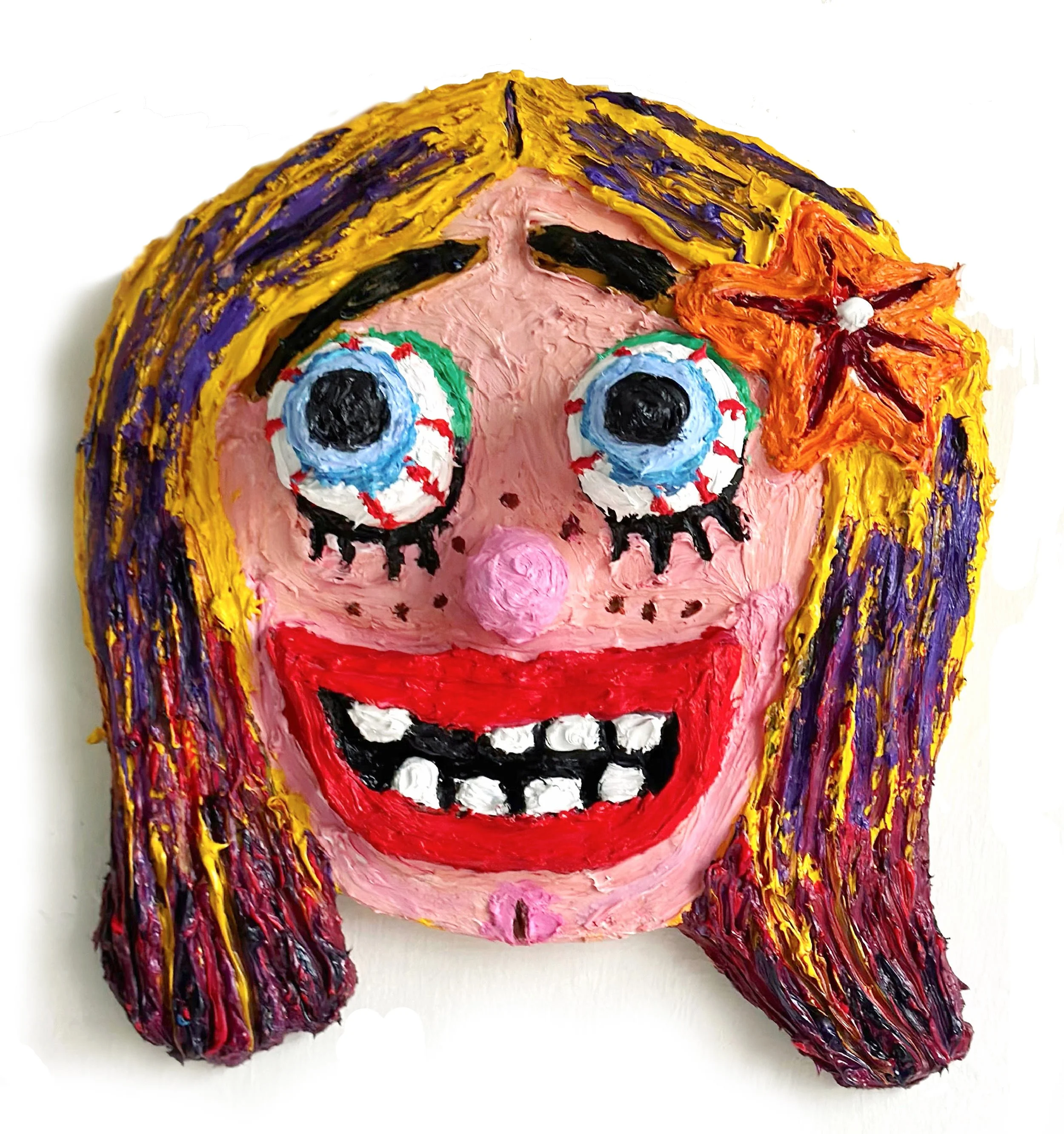
Susan Carr
Dor's Big Aura, 2024
oil on ceramic
11 x 10 x 3 in.
27 x 25 x 7 cm
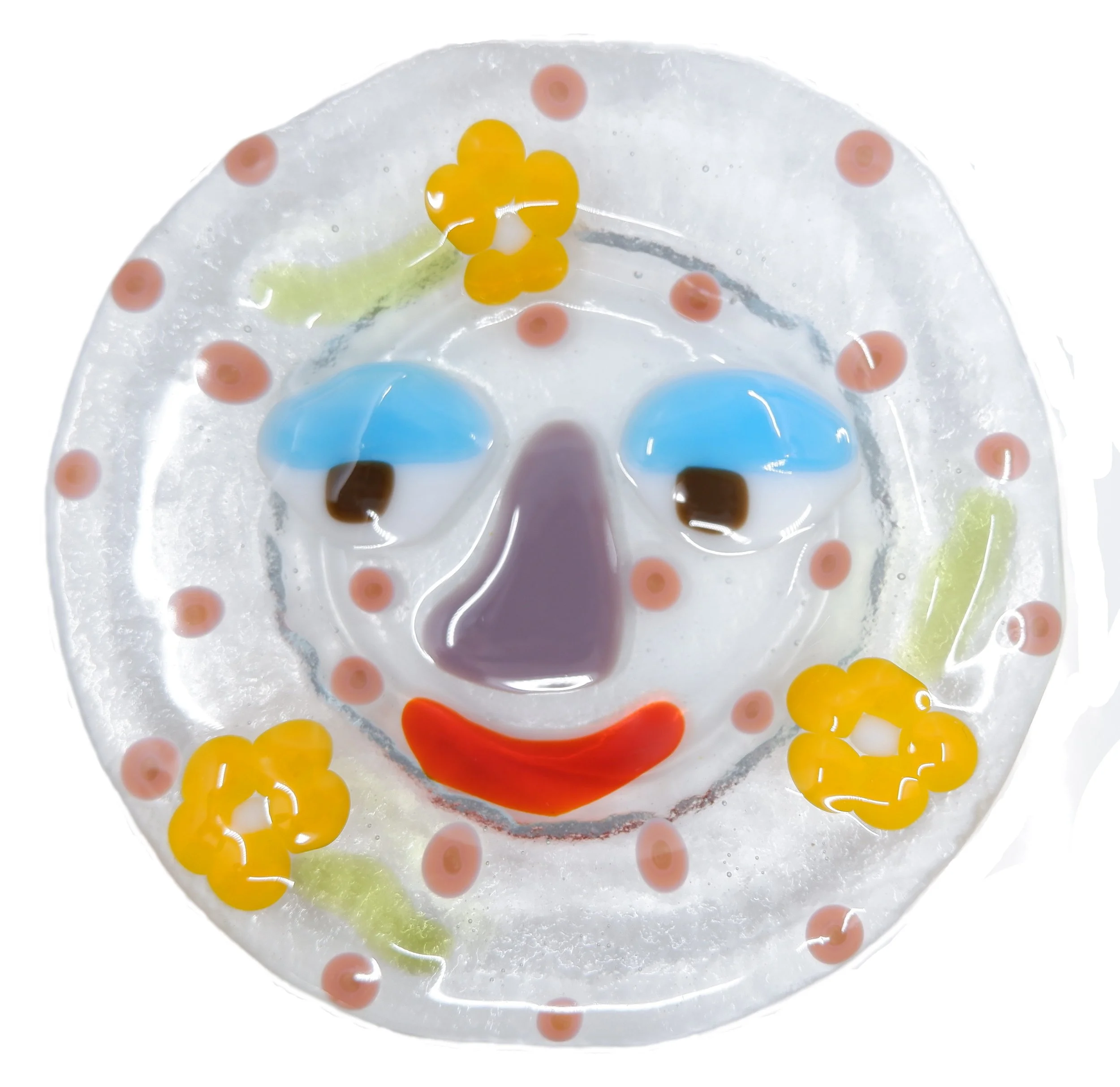
Finn O'Sullivan
Rosie Posie, 2026
Glass
4⅜ x 4⅜ x ⅜ in.
11 x 11 x 1 cm
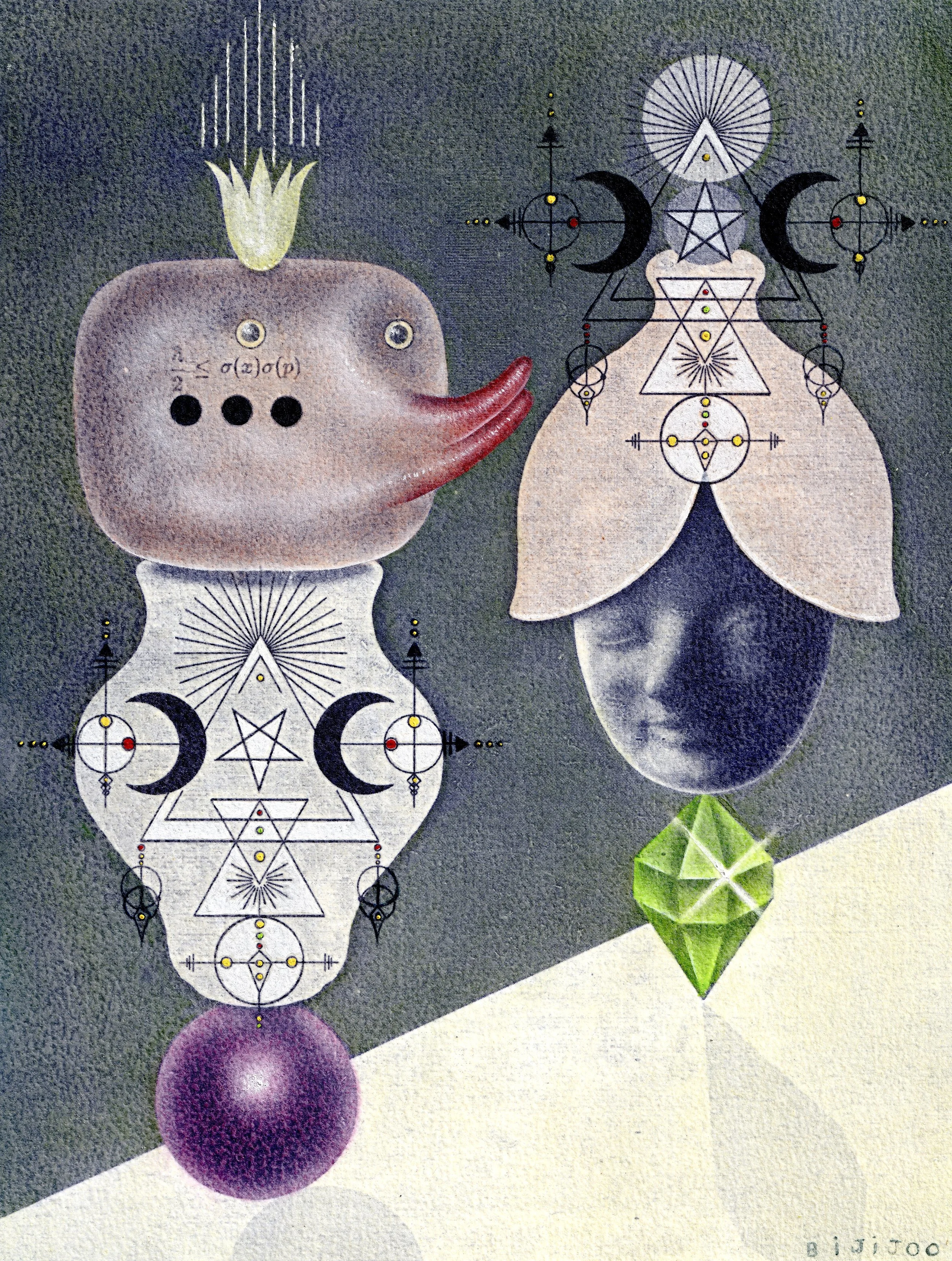
Bijijoo
ℏ/2 ≤ σ(x) σ(p) (Quantum Uncertainty), 2026
cyanotype, graphite, colored pencil, and oil paint on gessoed paper
10½ x 8 in.
26 x 20 cm
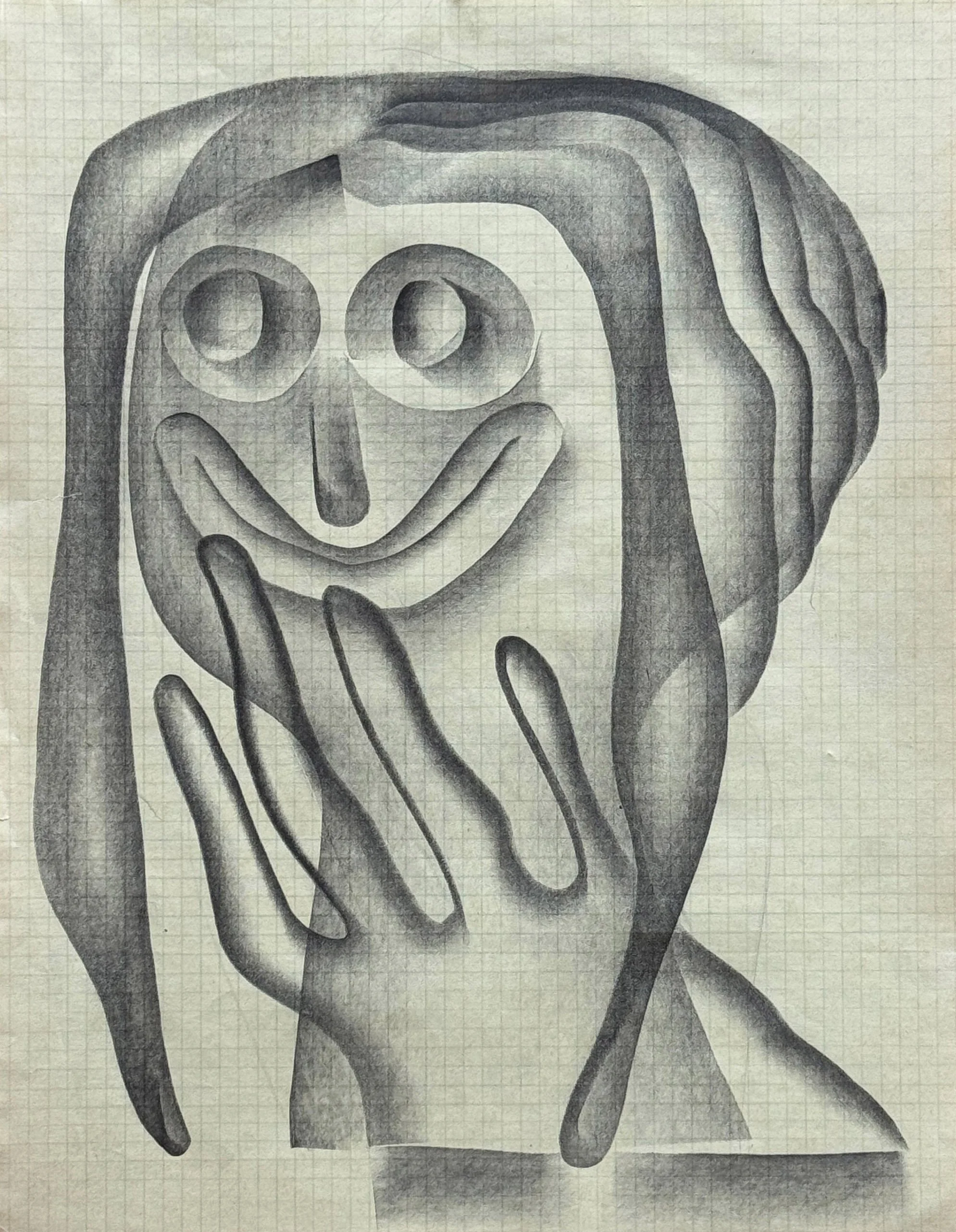
Tim Biskup
Candy, 2026
Graphite on Newsprint
11 x 8½ in.
27 x 21 cm
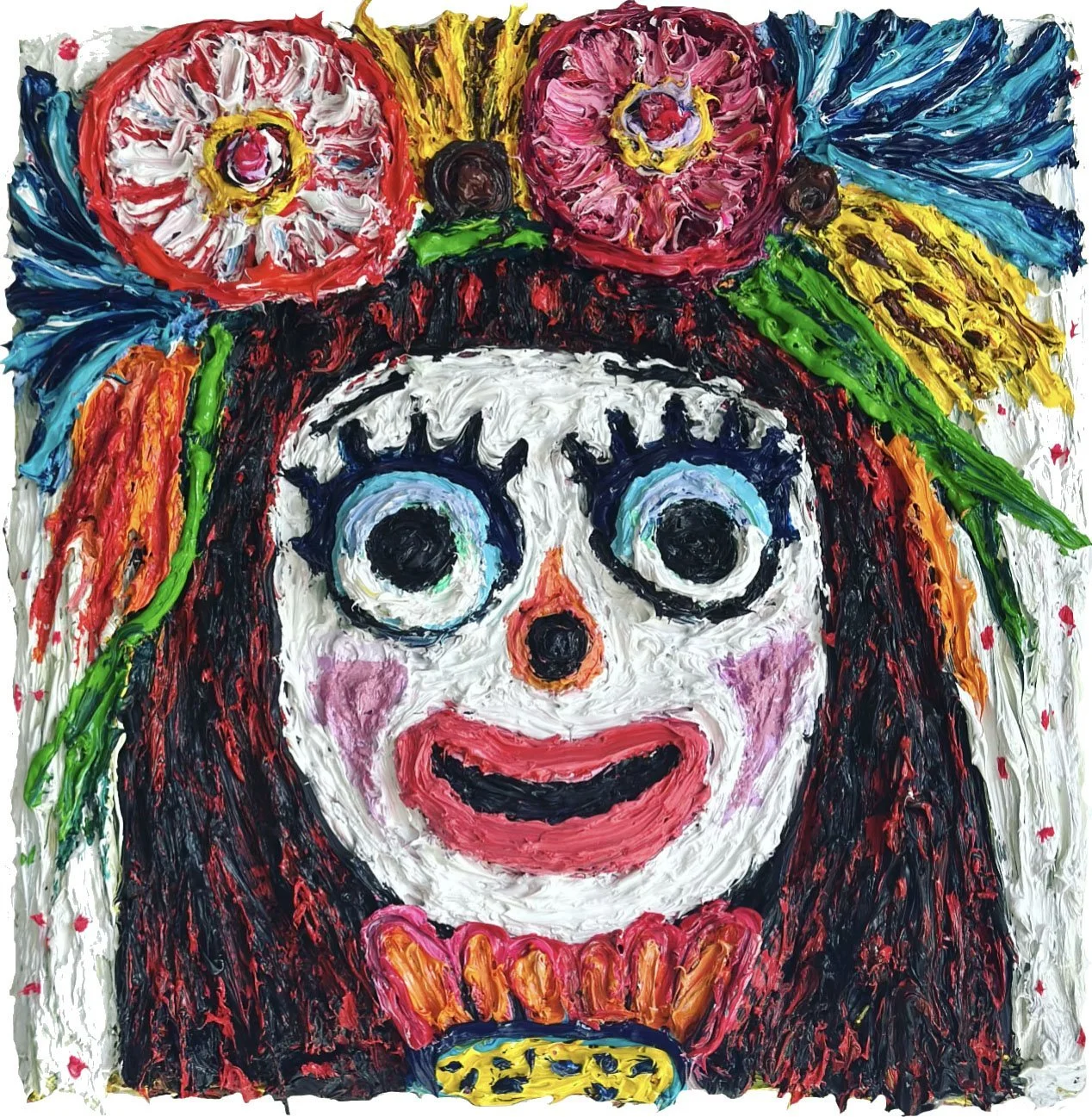
Susan Carr
Le Fleur, 2025
oil on canvas
12 x 12 in.
30 x 30 cm
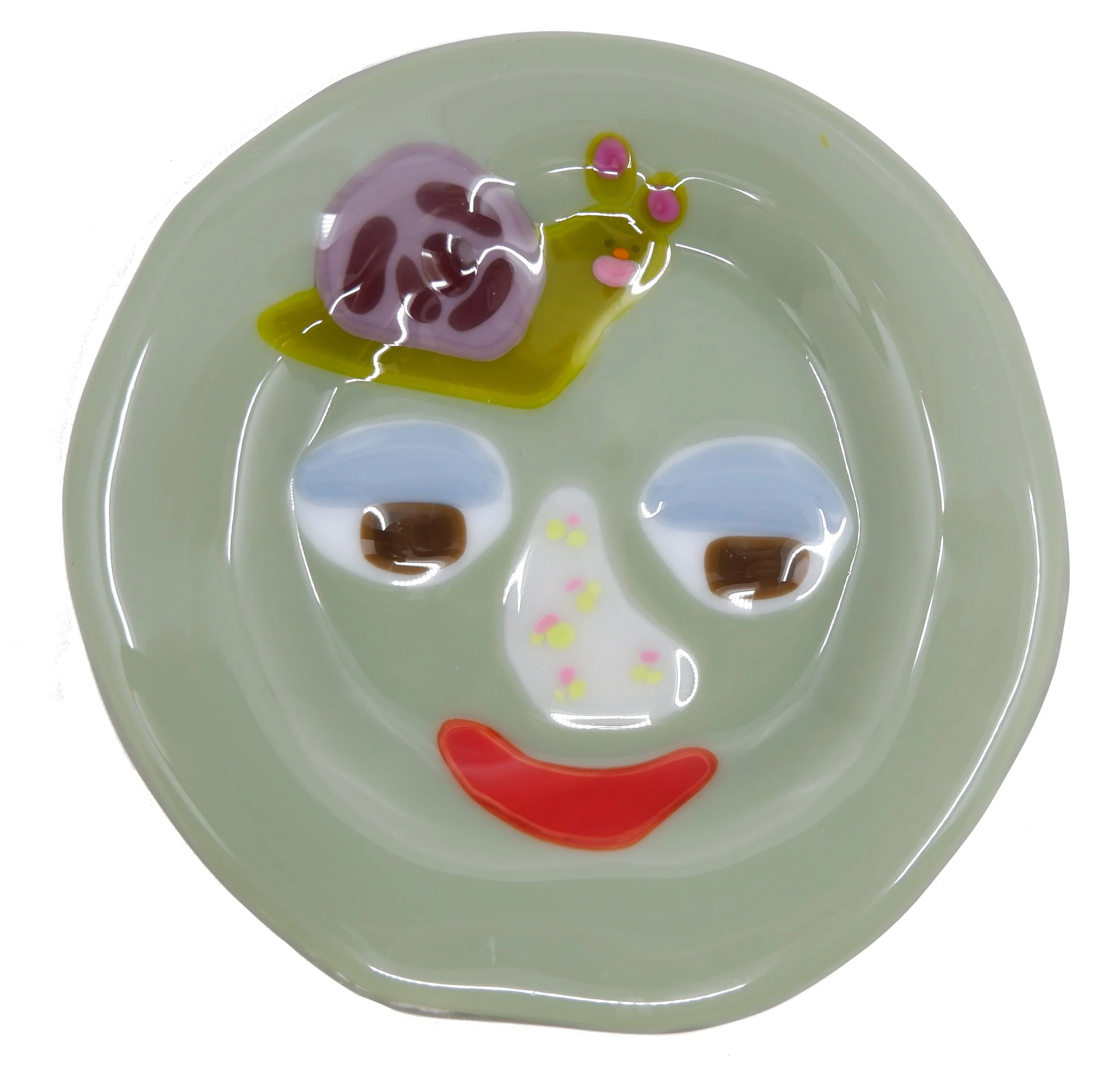
Finn O'Sullivan
Little Snail, 2025
Glass
4⅜ x 4⅜ x ⅜ in.
11 x 11 x 1 cm
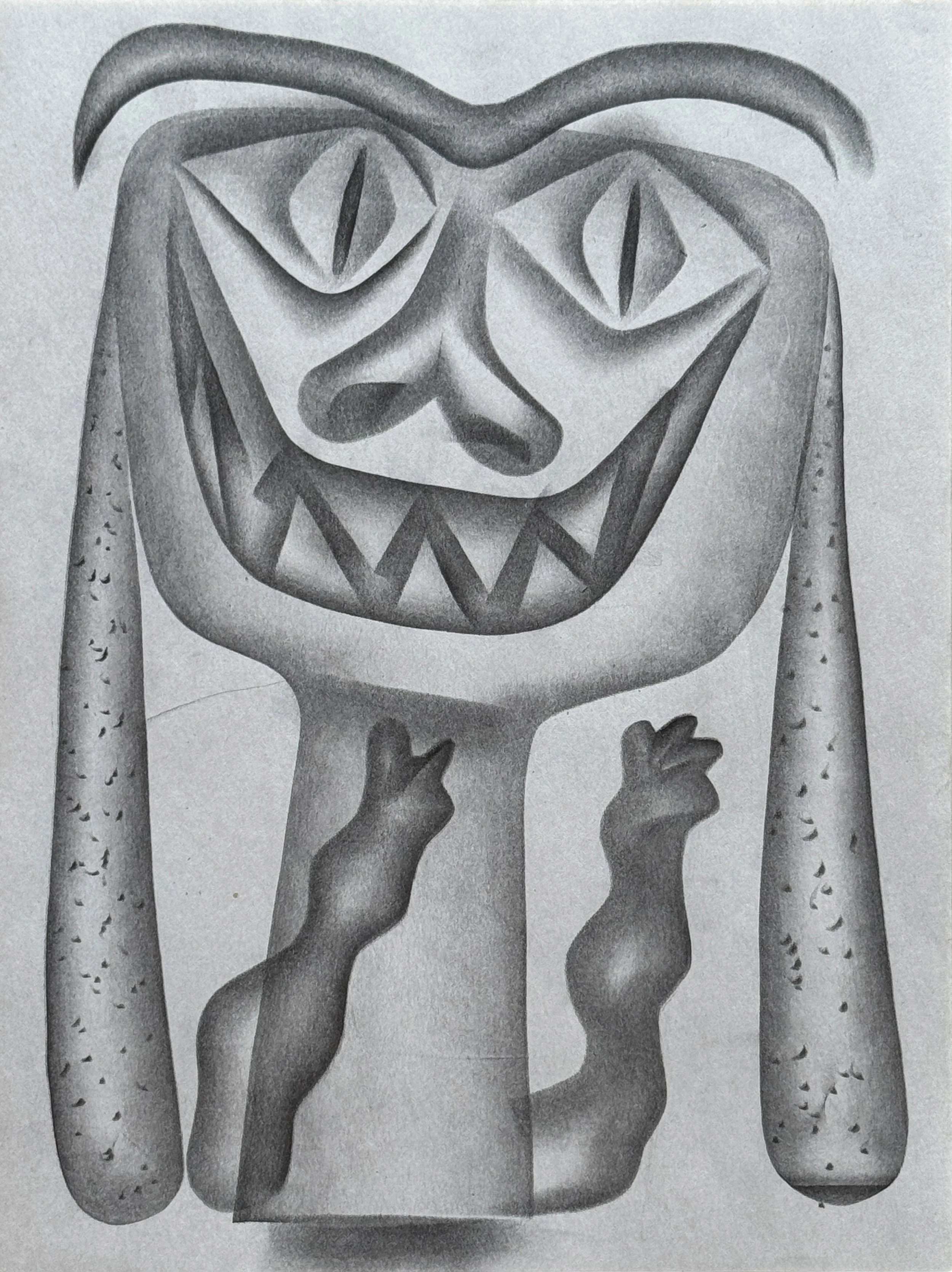
Tim Biskup
Greedy Fizz, 2026
Graphite on Newsprint
12 x 9 in.
30 x 22 cm
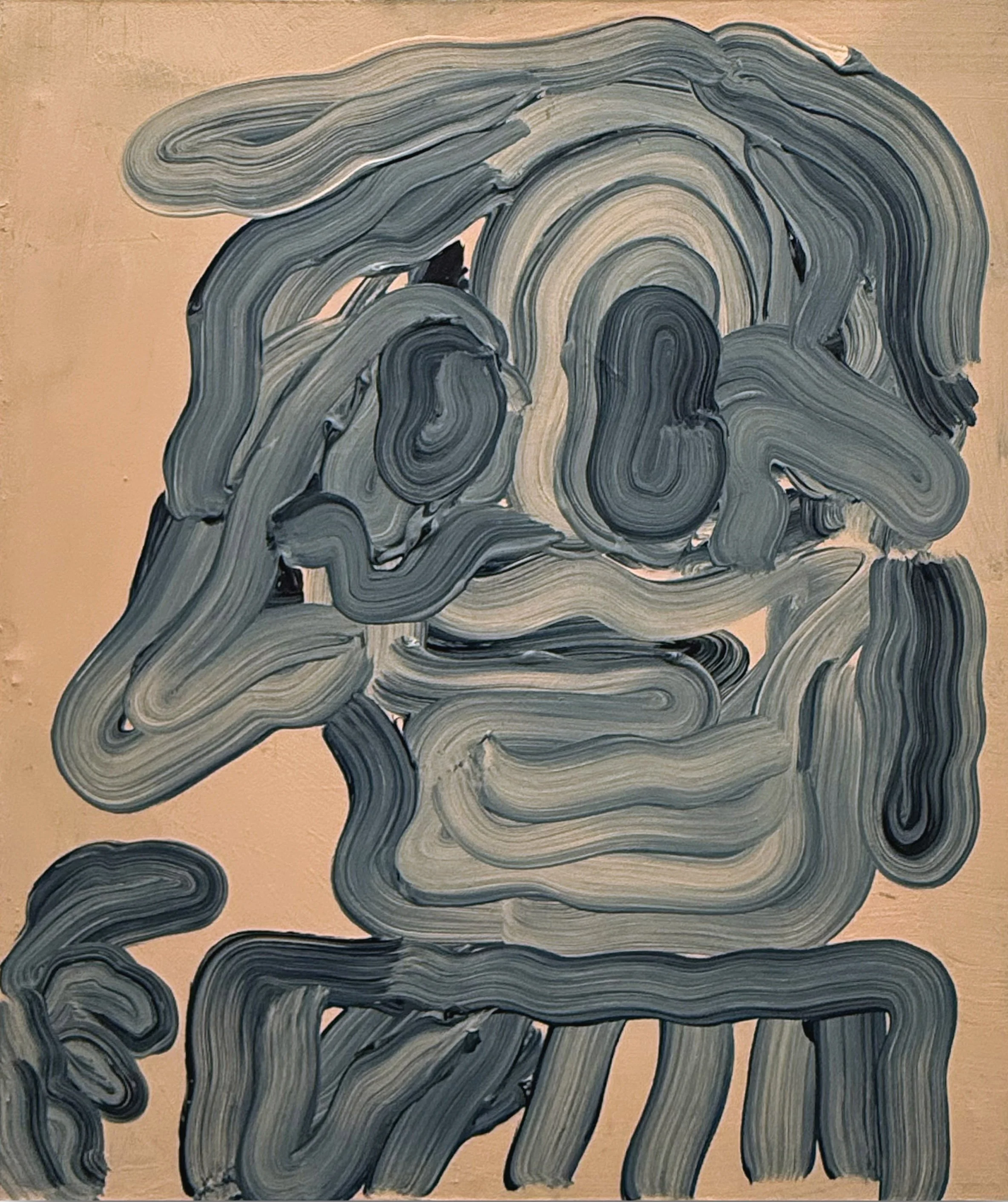
Beni Bischoff
Portrait of T. M., 2019
acrylic on canvas
24¾ x 19¾ in.
63 x 50 cm
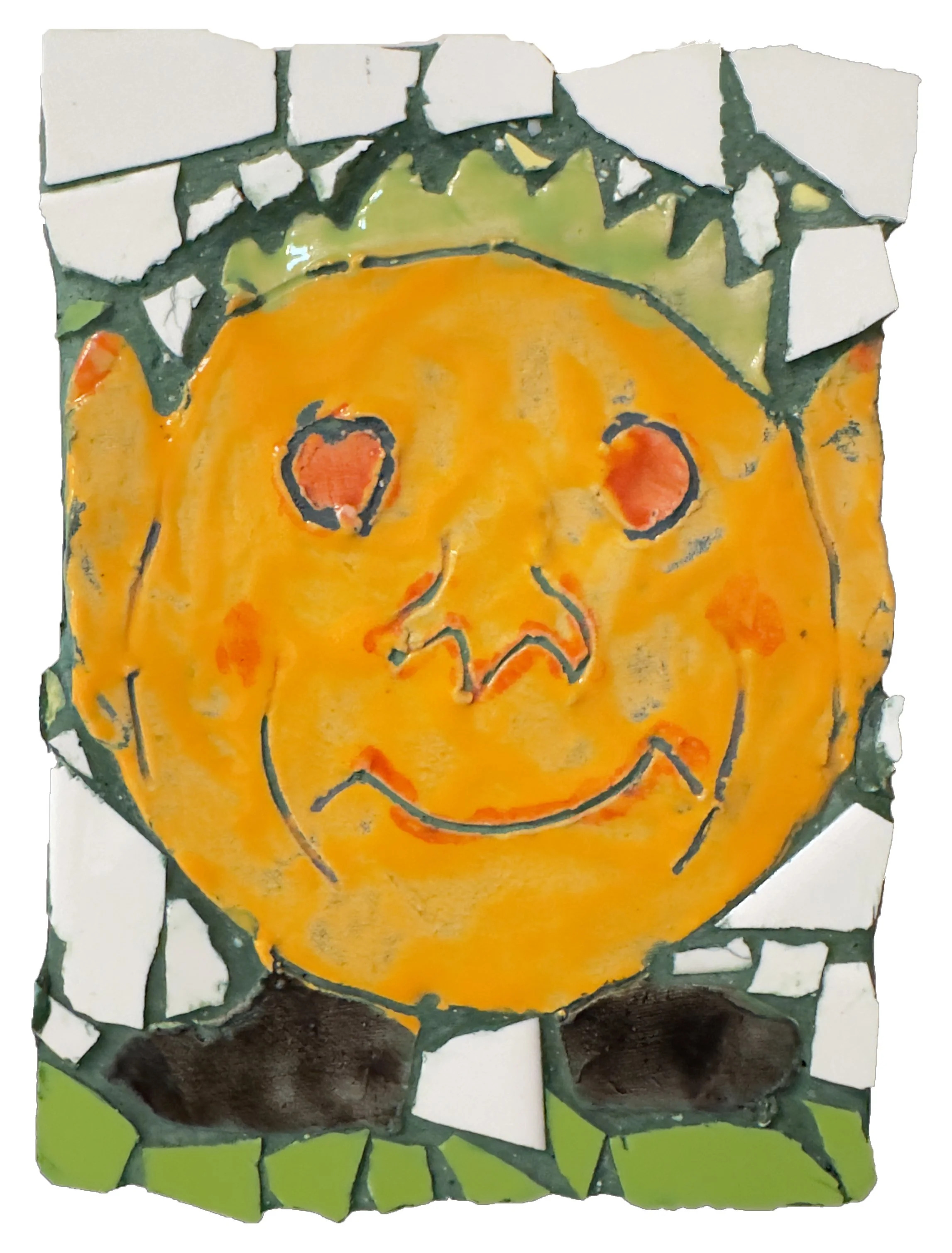
Mike Swaney
ManGo, 2026
Tiles and ceramic on wood panel
4⅛ x 5½ in.
10 x 14 cm
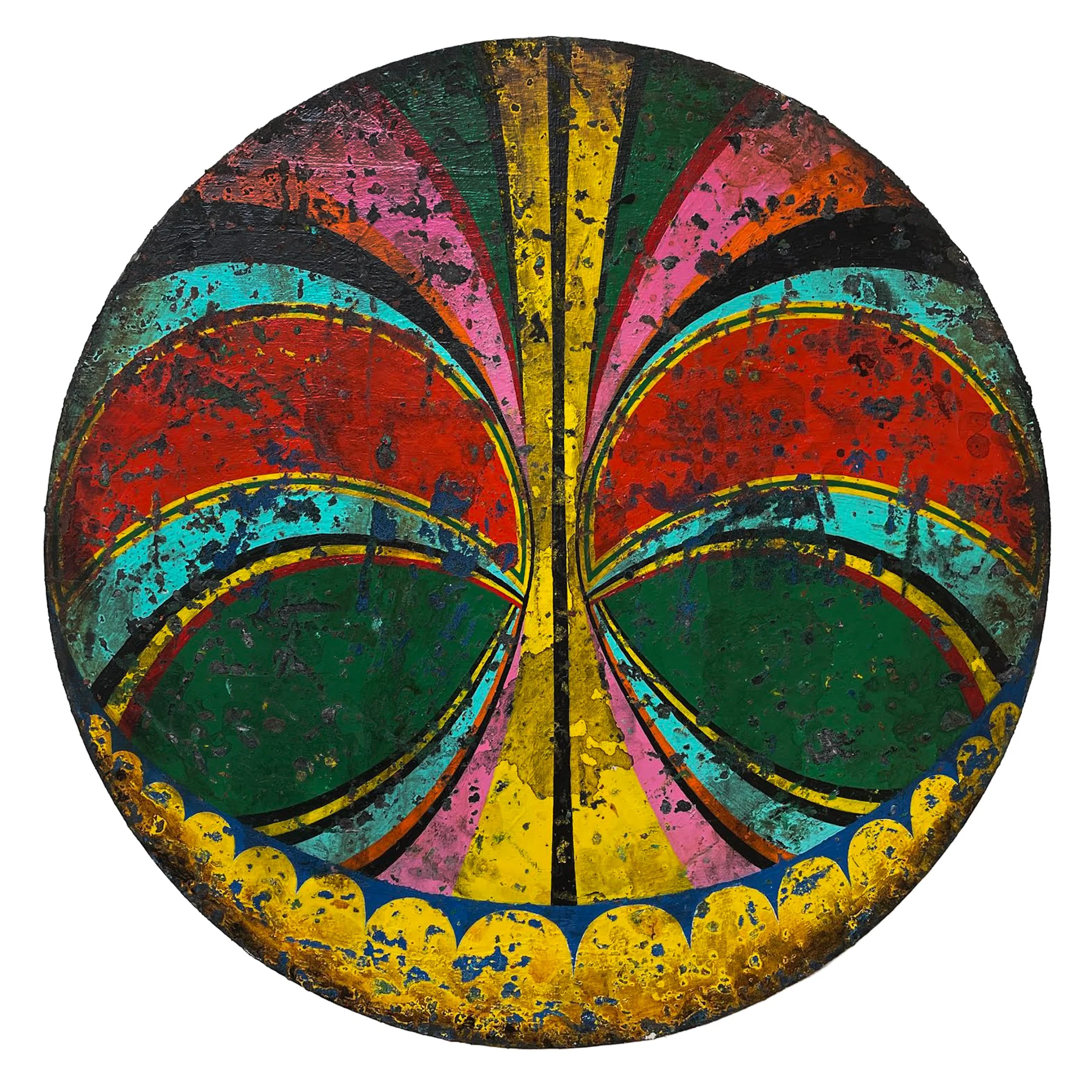
Jonathan Edelhuber
Under The Black Locust Tree, No.1, 2024
acrylic on wood
18 x 18 in.
45 x 45 cm
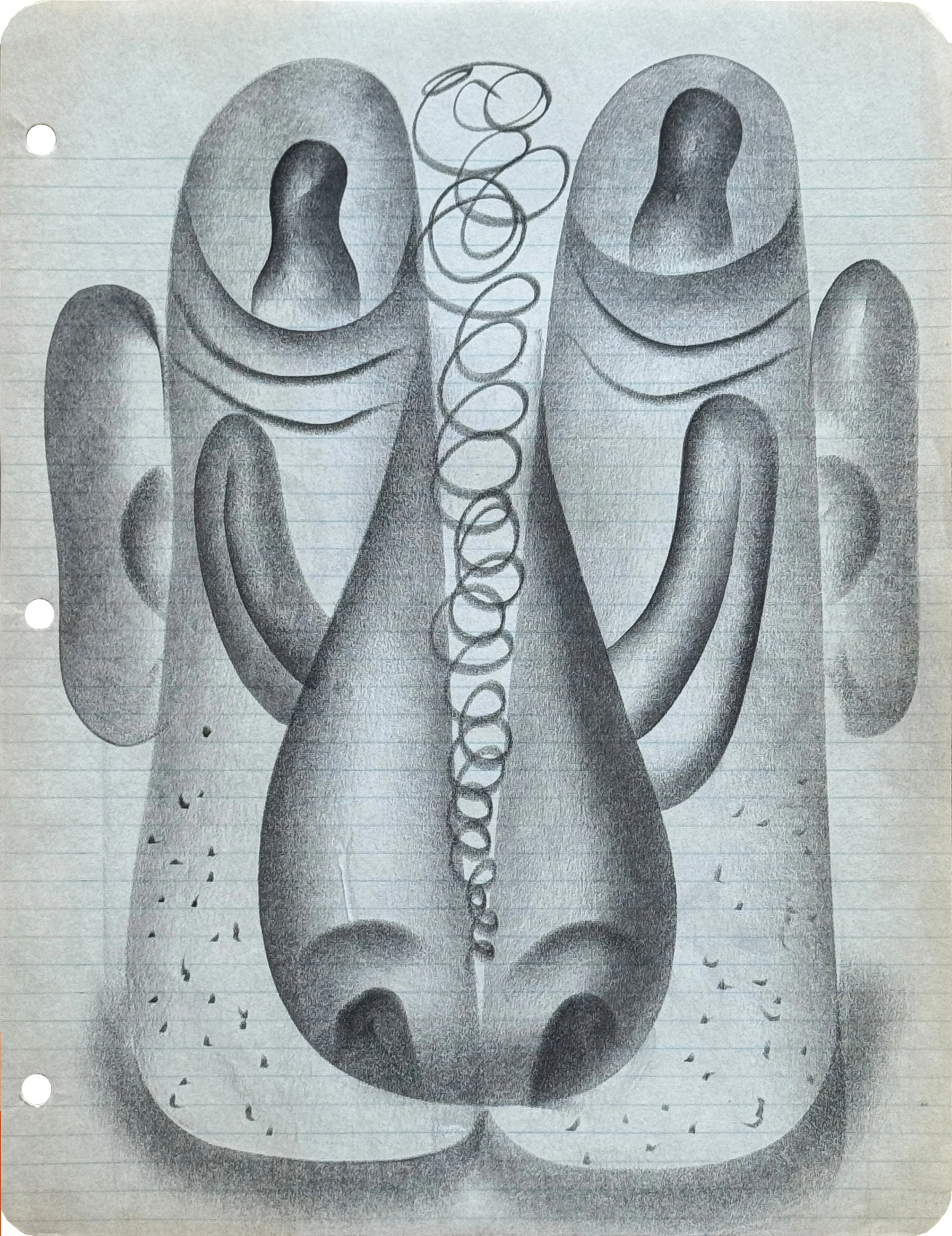
Tim Biskup
Vape Demons, 2026
Graphite on Newsprint
11 x 8½ in.
27 x 21 cm
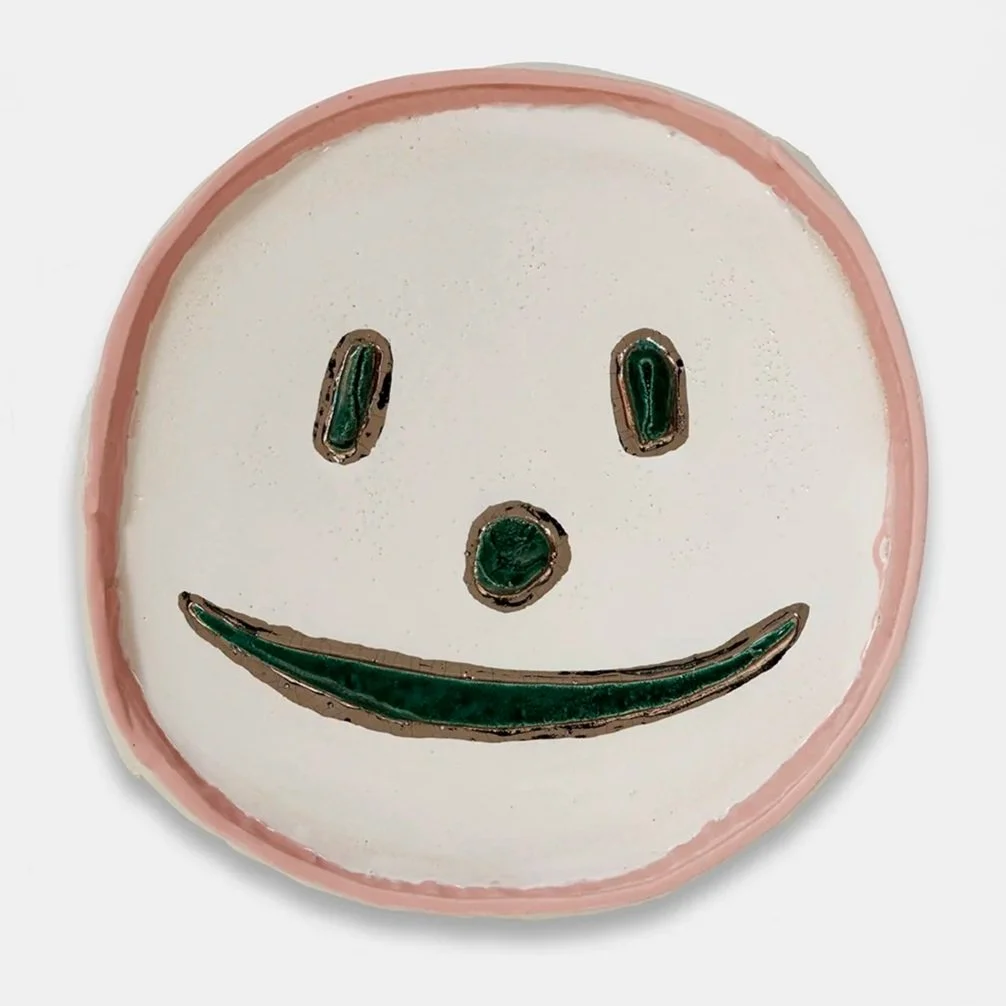
Dan McCarthy
Candy Pie, 2023
ceramic and glaze
16 x 16 x 3¾ in.
40 x 40 x 9 cm
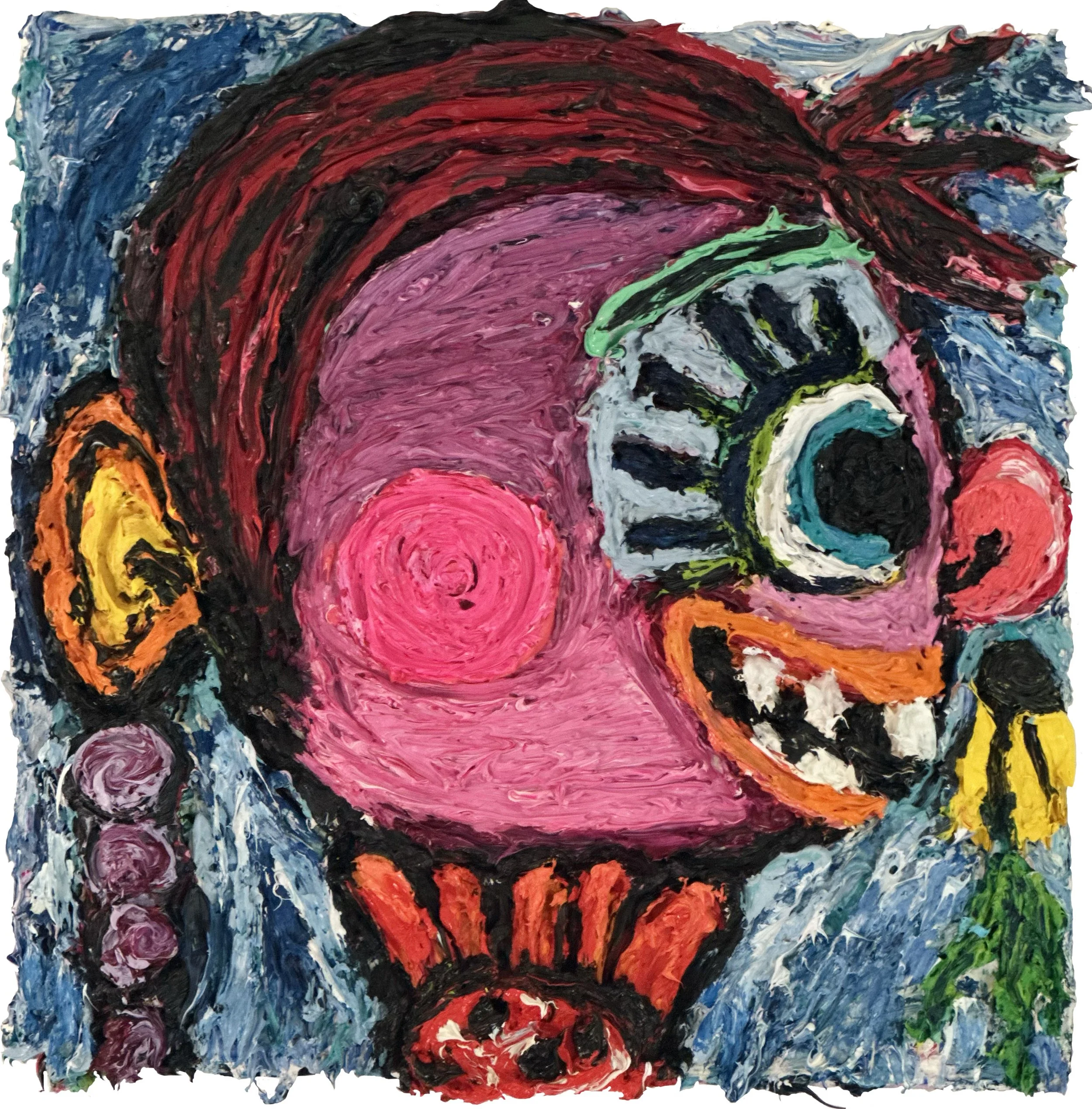
Susan Carr
Flowers, 2025
oil on canvas
10 x 10 in.
25 x 25 cm
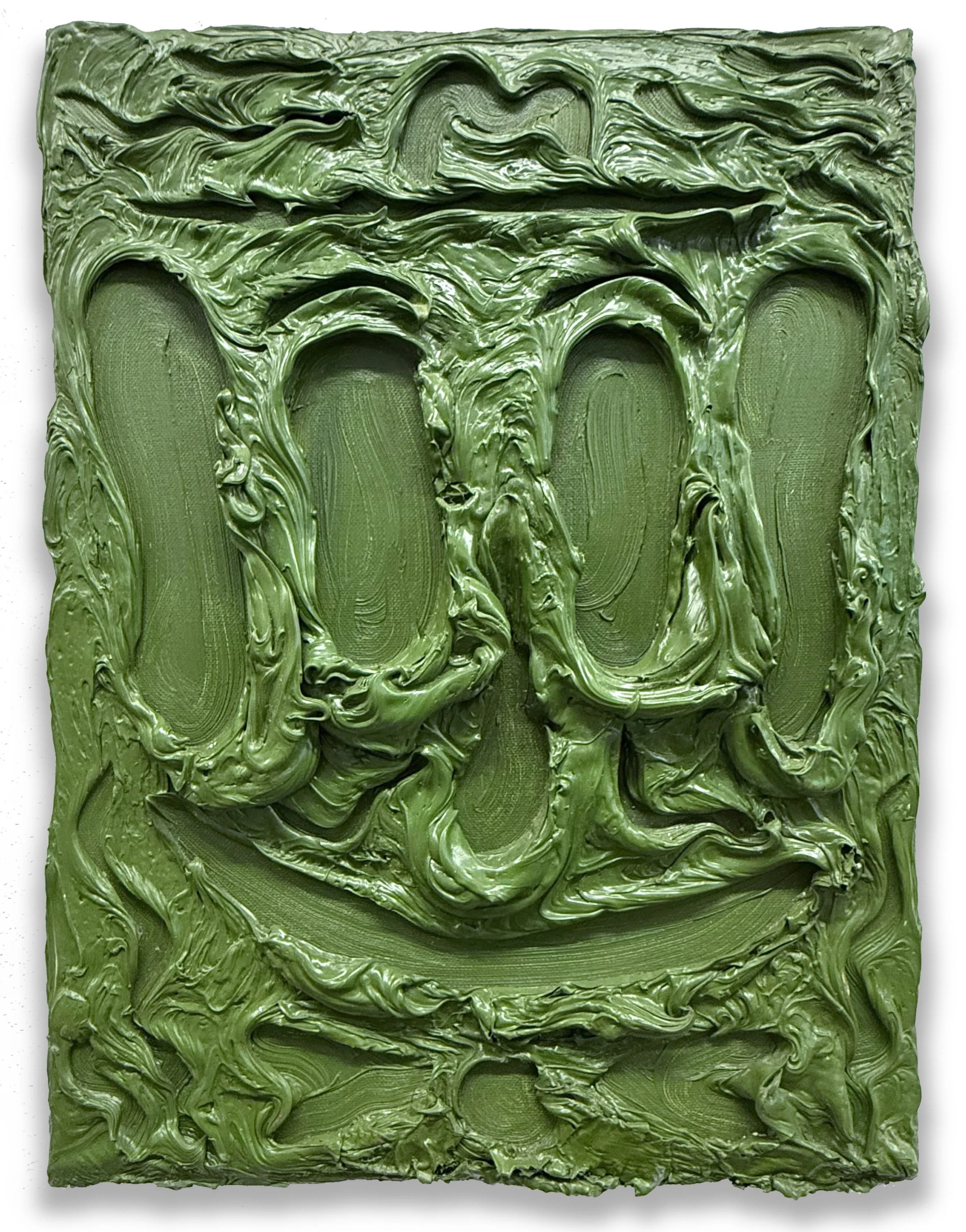
Beni Bischoff
Portrait of R. the Green, 2025
oil on canvas
15¾ x 11¾ in.
40 x 30 cm

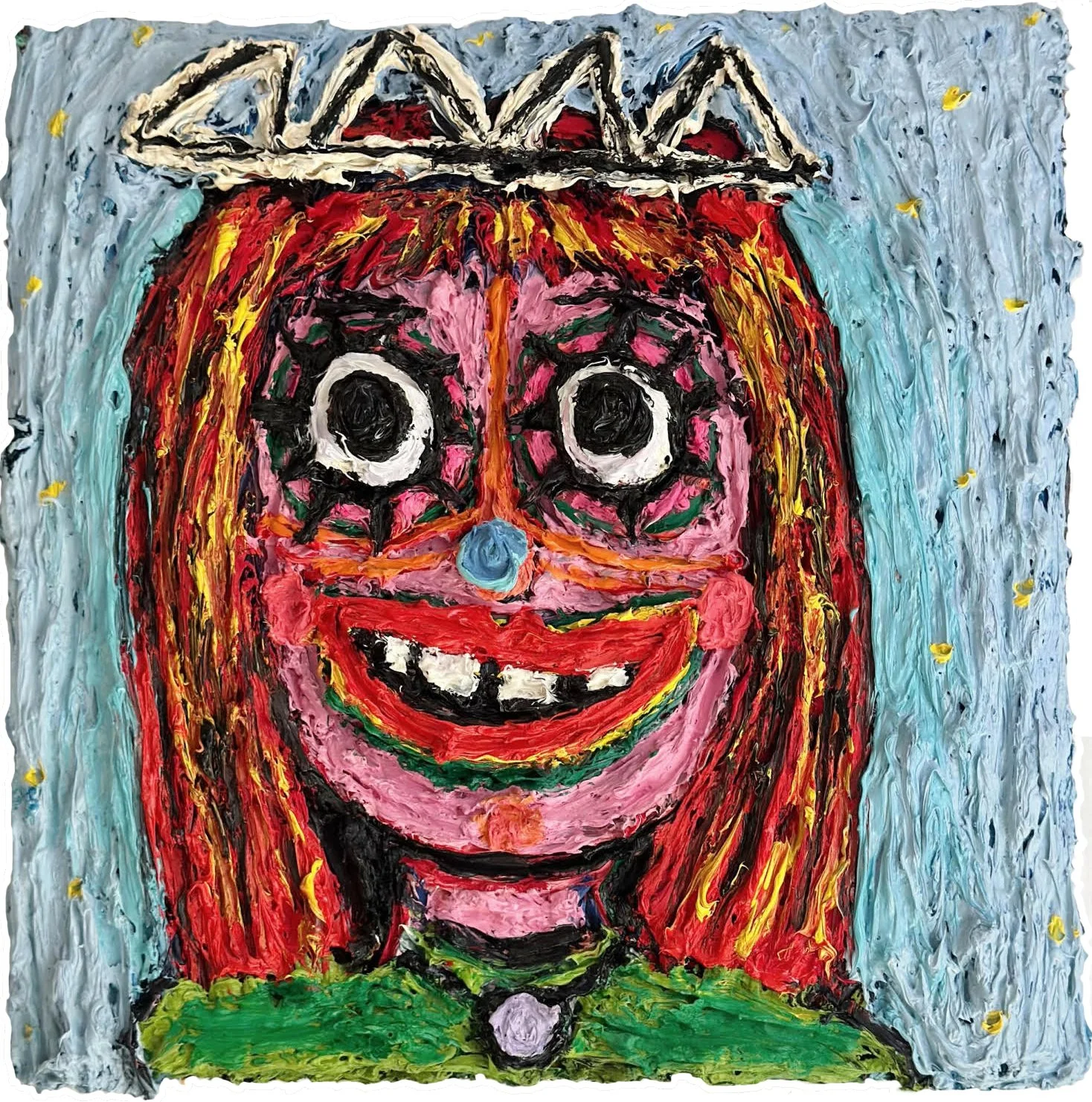
Susan Carr
The Wrong Princess, 2025
oil on canvas
12 x 12 in.
30 x 30 cm
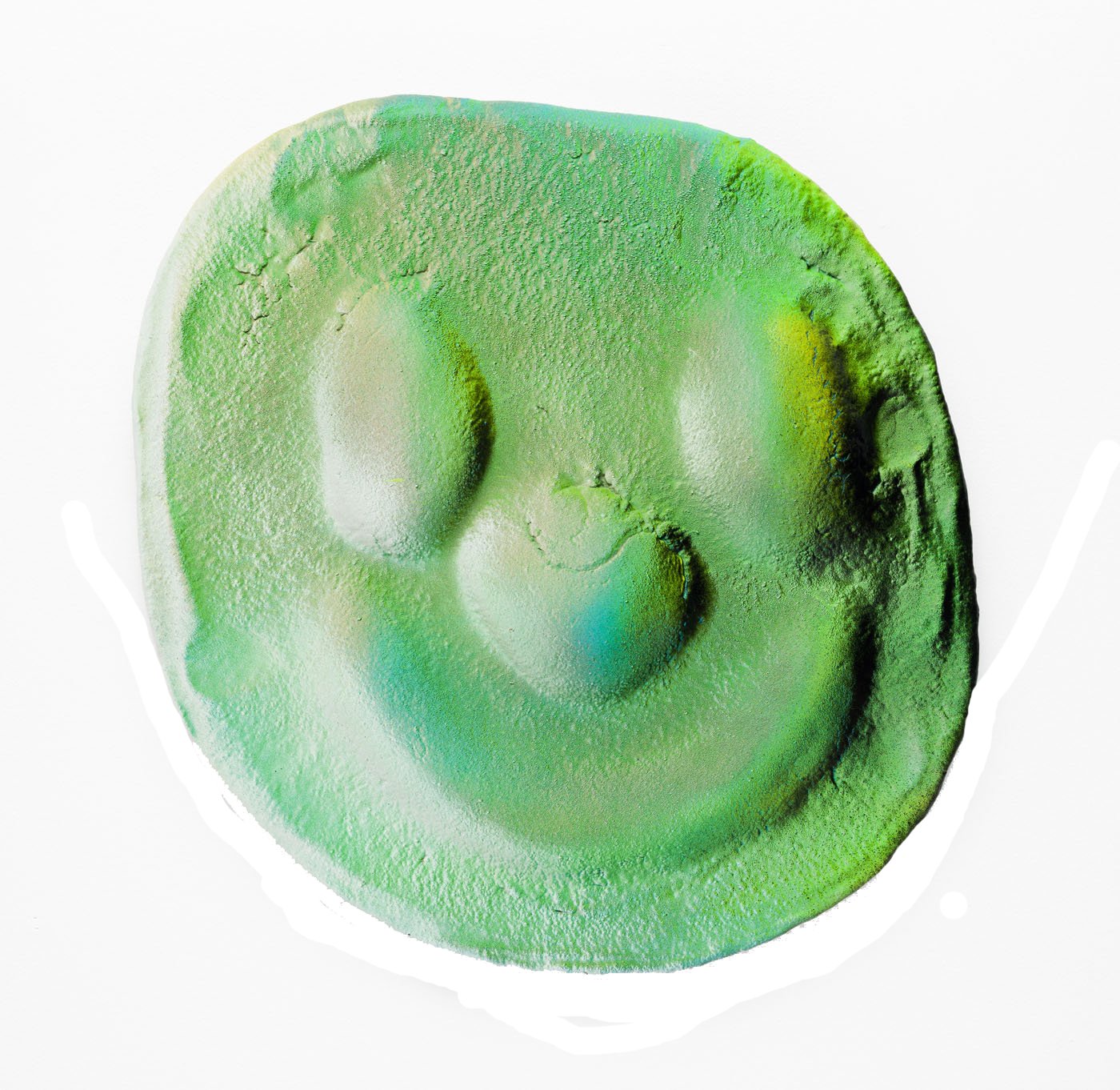
Dan McCarthy
Space Ghost #73, 2015
Low fire clay and glaze with enamel paint
17½ x 16¼ x 2 in.
44 x 41 x 5 cm
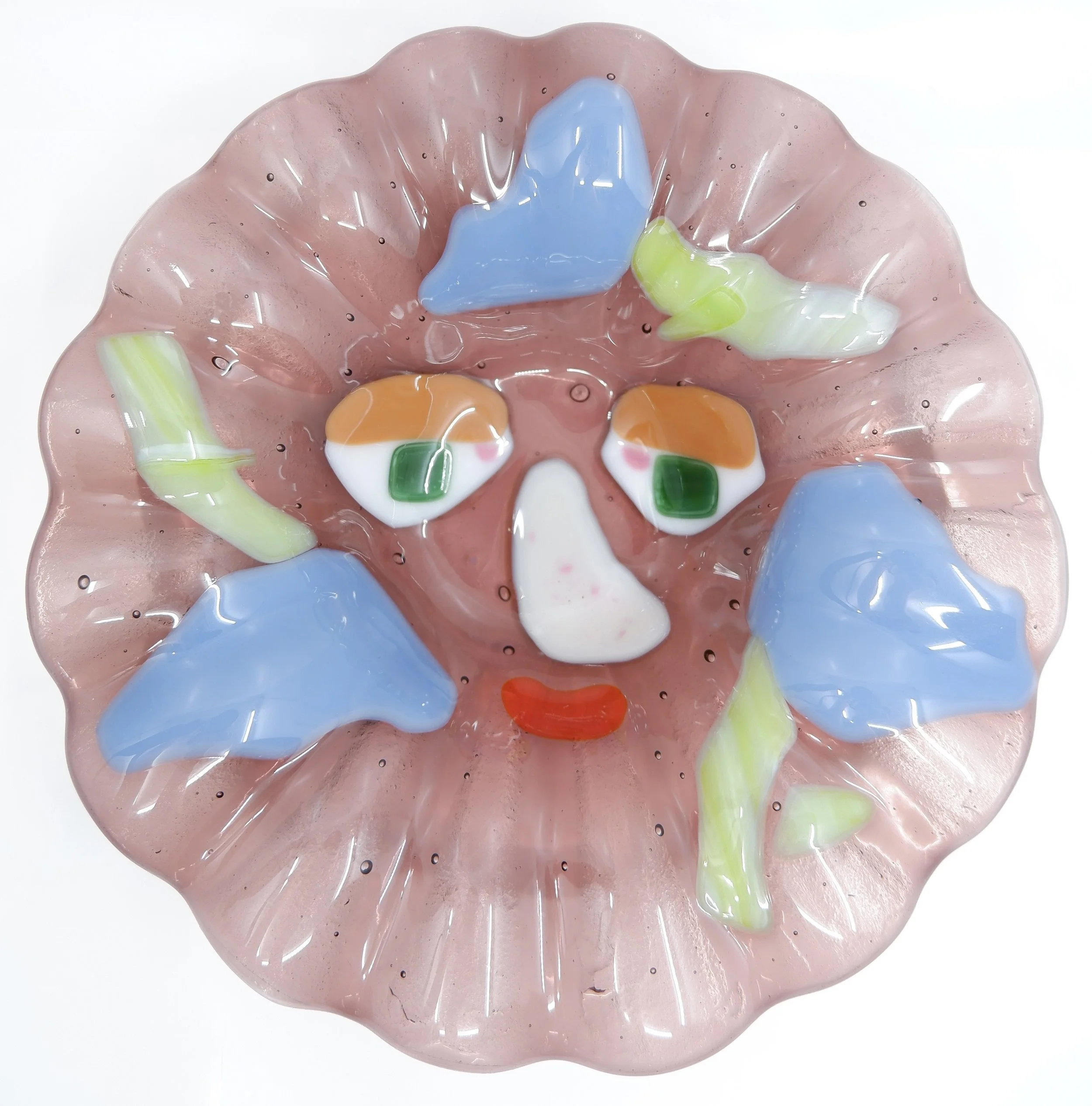
Finn O'Sullivan
Tulip Dance, 2025
Glass
6¼ x 6¼ x ⅜ in.
16 x 16 x 1 cm
![Bijijoo
“dÂ(t)/dt = i/ℏ[Ĥ, Â(t)] + ∂Â(t)/∂t (Quantum Motion), 2026
cyanotype, graphite, colored pencil, and oil paint on gessoed paper
10½ x 8 in.
26 x 20 cm](https://images.squarespace-cdn.com/content/v1/6643afd20e43616913cf669c/fe3d206a-4876-4865-99ce-2bc5118966f1/Quantum_Motion-s-bijijoo.JPEG)
Bijijoo
“dÂ(t)/dt = i/ℏ[Ĥ, Â(t)] + ∂Â(t)/∂t (Quantum Motion), 2026
cyanotype, graphite, colored pencil, and oil paint on gessoed paper
10½ x 8 in.
26 x 20 cm
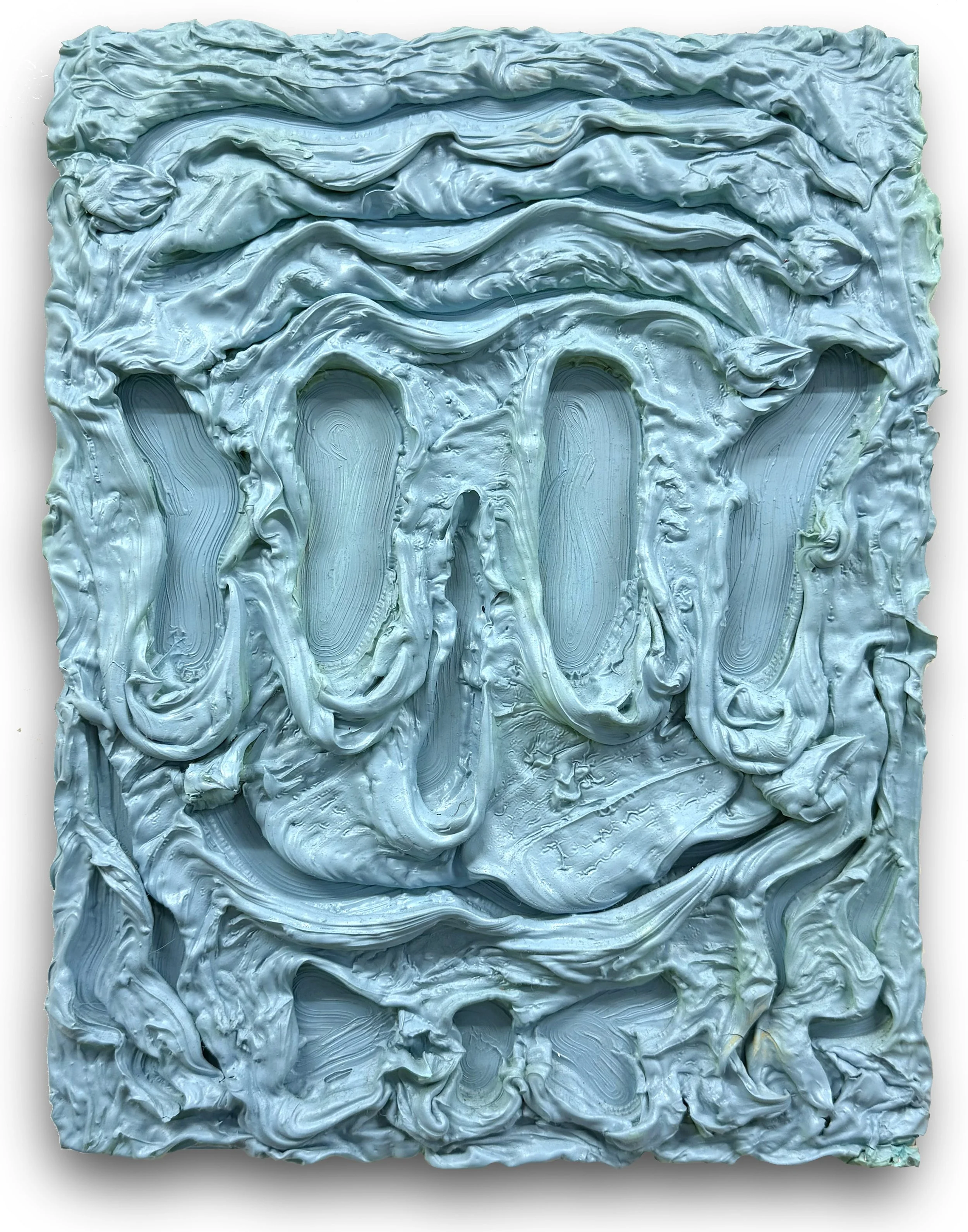
Beni Bischoff
Portrait of L. the Blue, 2025
oil and spray on canvas
15¾ x 11¾ in.
40 x 30 cm
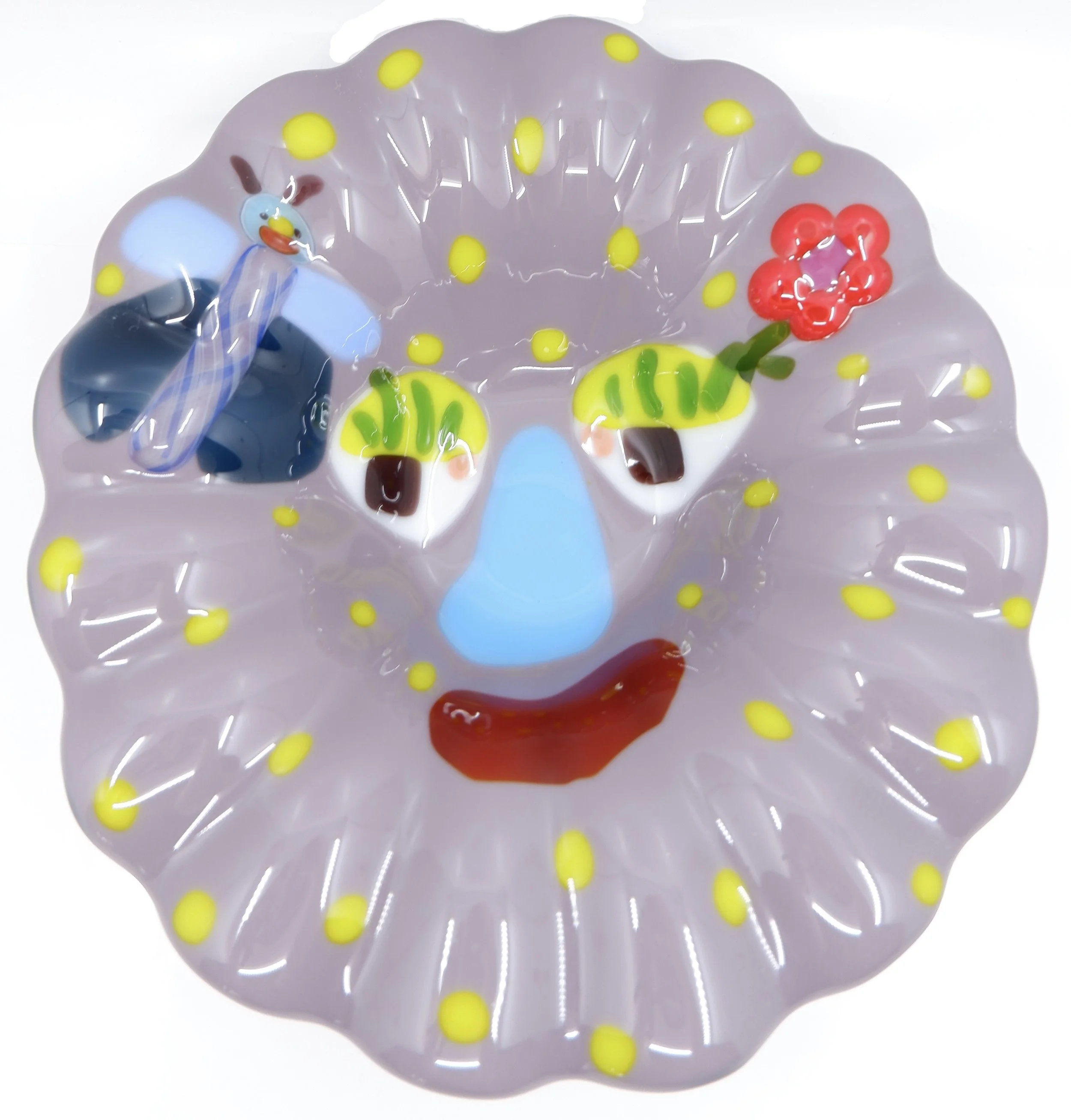
Finn O'Sullivan
Butterfly Friend, 2026
Glass
6¼ x 6¼ x ⅜ in.
16 x 16 x 1 cm
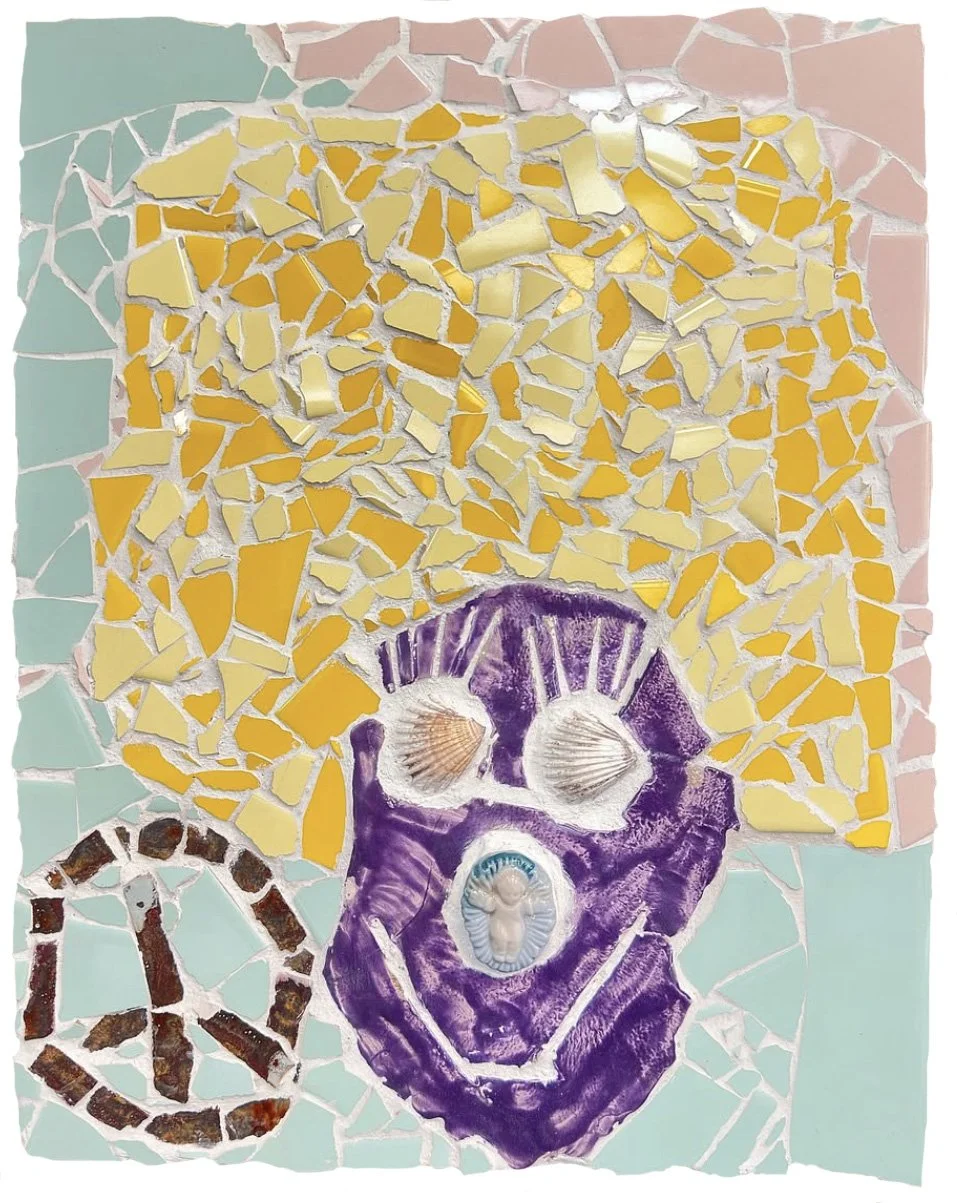
Mike Swaney
Peace Man, 2026
Tiles and ceramic on wood panel
15⅜ x 12 in.
39 x 30 cm
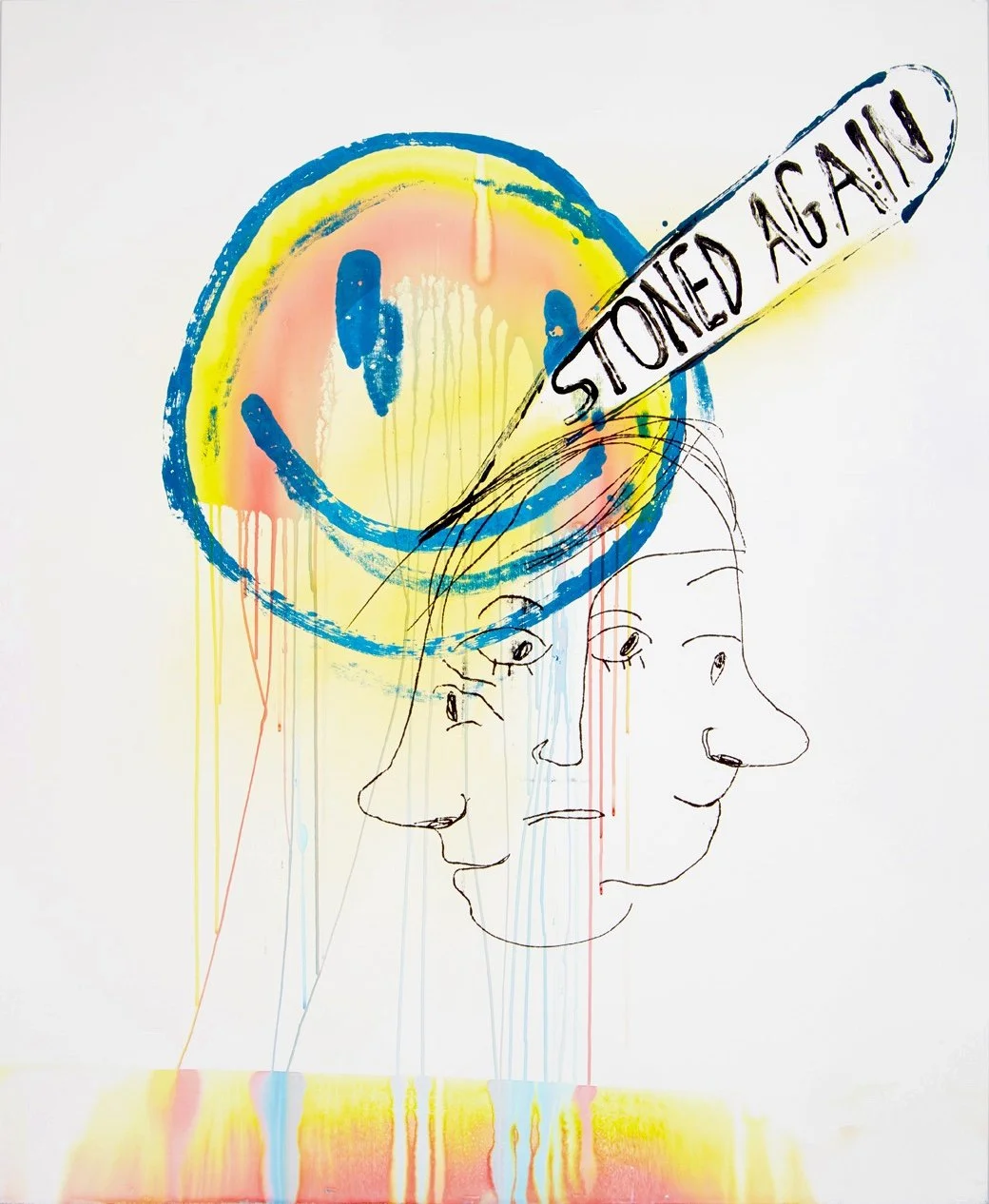
Dan McCarthy
Stoned Again with Portrait, 2015- 2021
Oil on canvas
58 x 44 x 1½ in.
147 x 111 x 3 cm
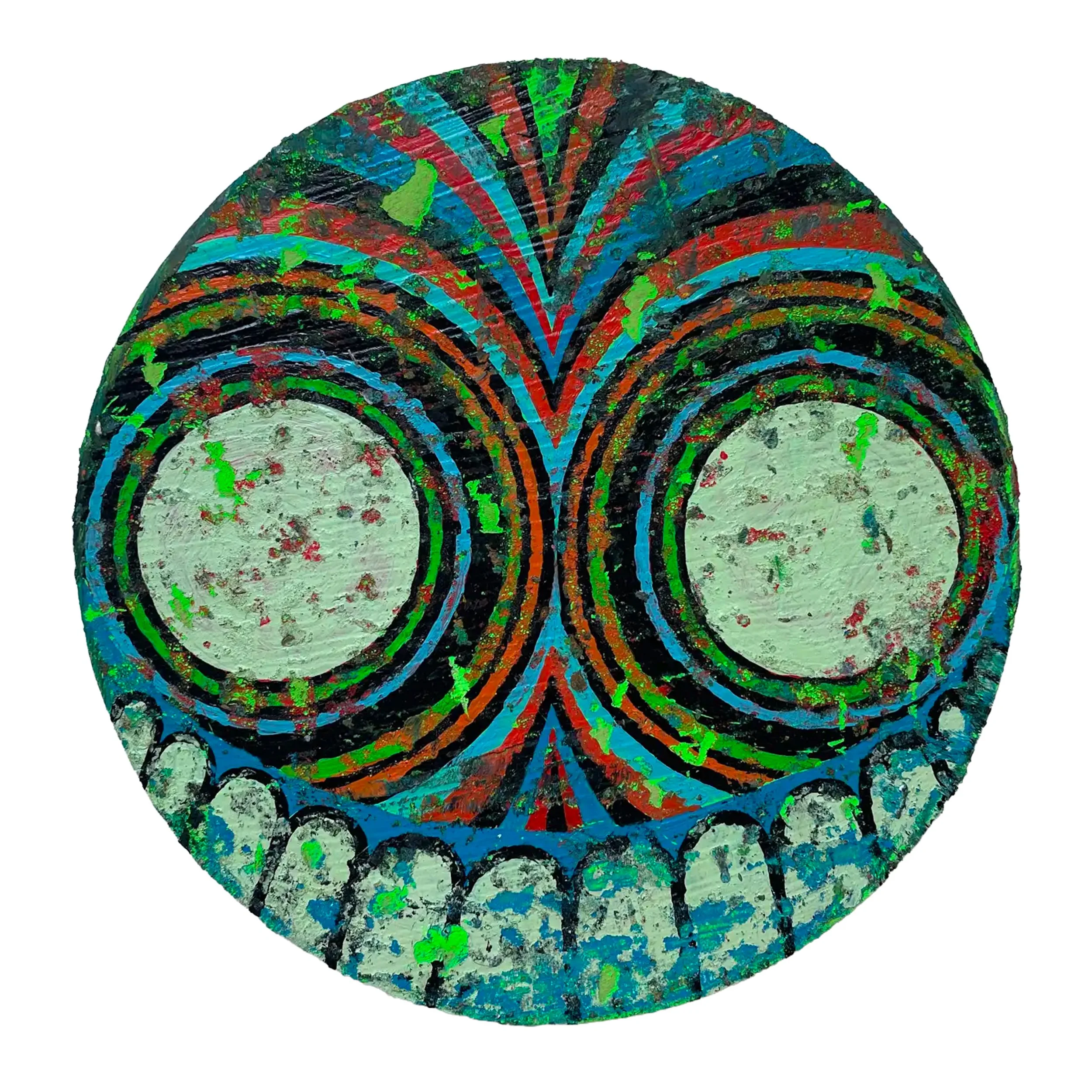
Jonathan Edelhuber
Under The Black Locust Tree, No.3, 2024
acrylic on wood
5¾ x 5 in.
14 x 12 cm
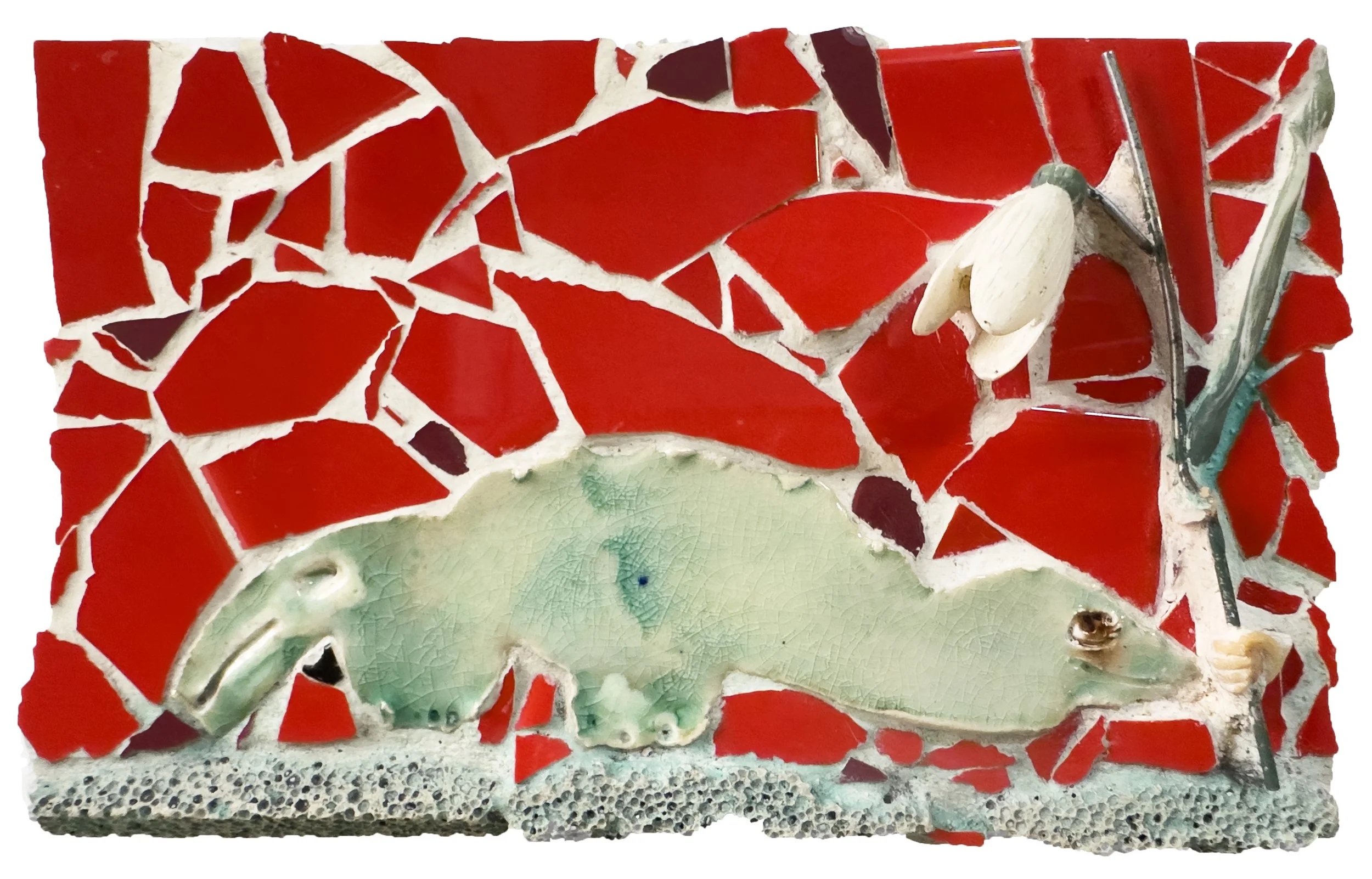
Michael Swaney
Ida’s Dino, 2026
Tiles and ceramic on wood panel
4¾ x 7⅛ in.
12 x 18 cm
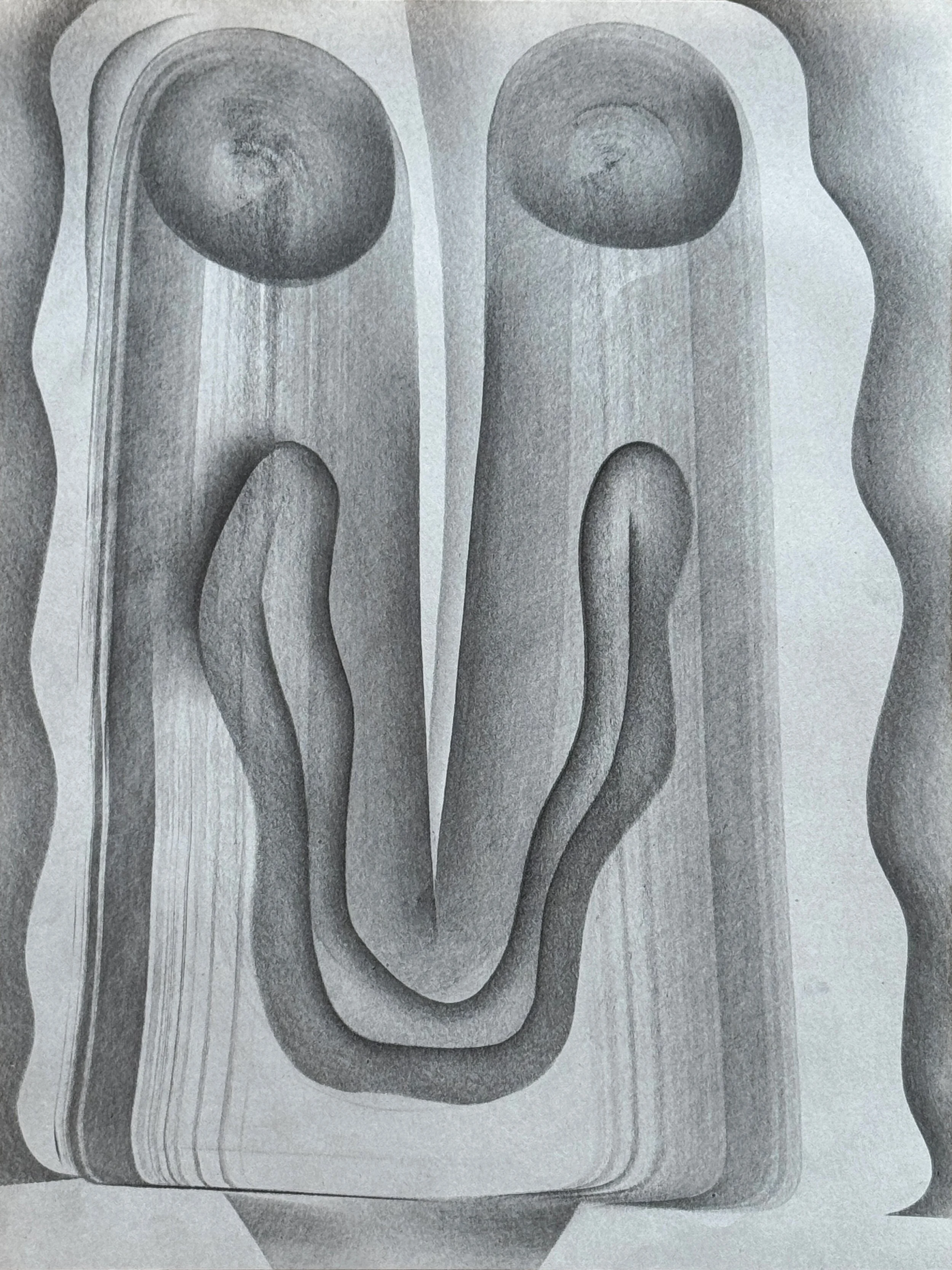
Tim Biskup
Telepath, 2026
Graphite on Newsprint
12 x 9 in.
30 x 22 cm
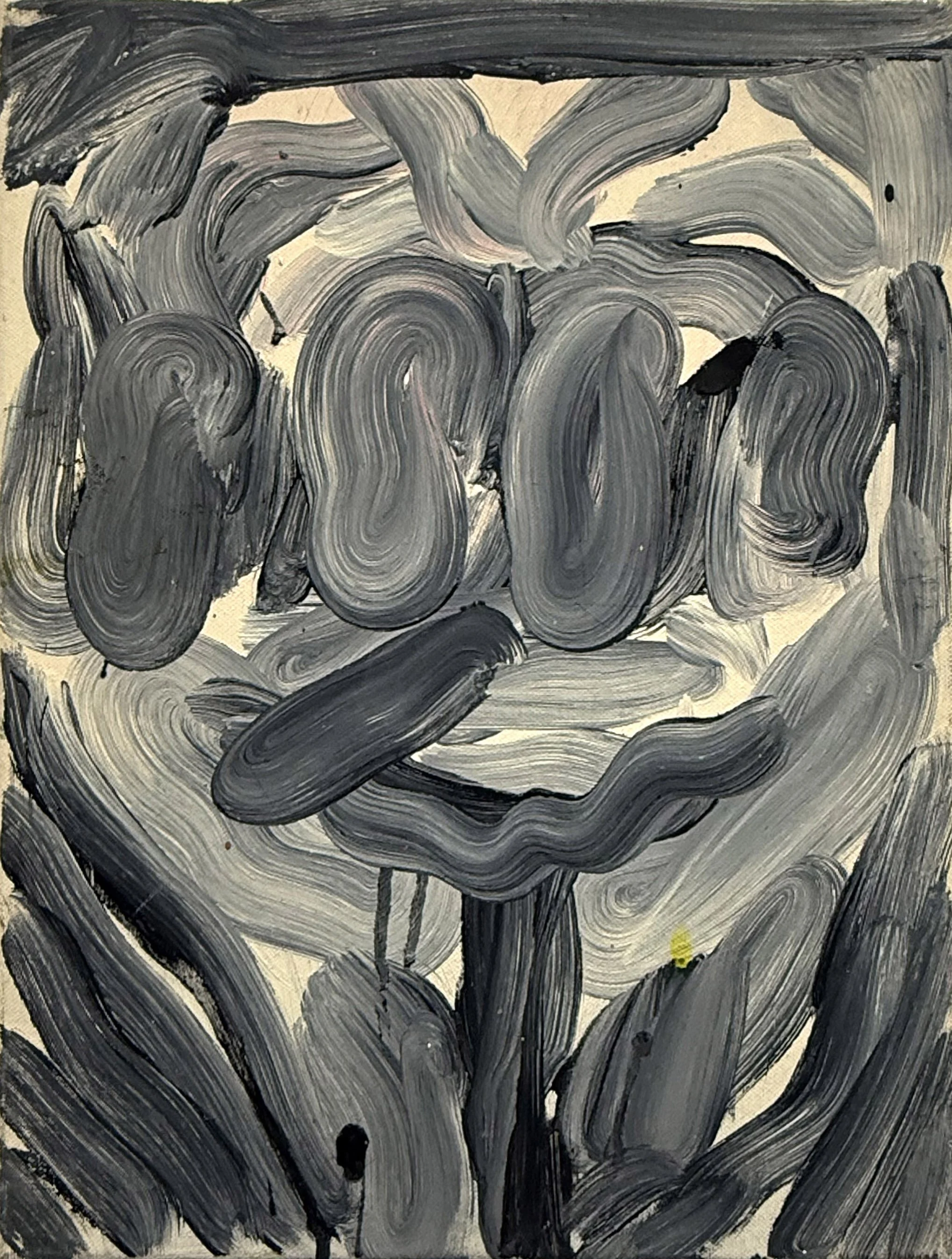
Beni Bischoff
Portrait of M., 2018
acrylic on canvas
15¾ x 11¾ in.
40 x 30 cm
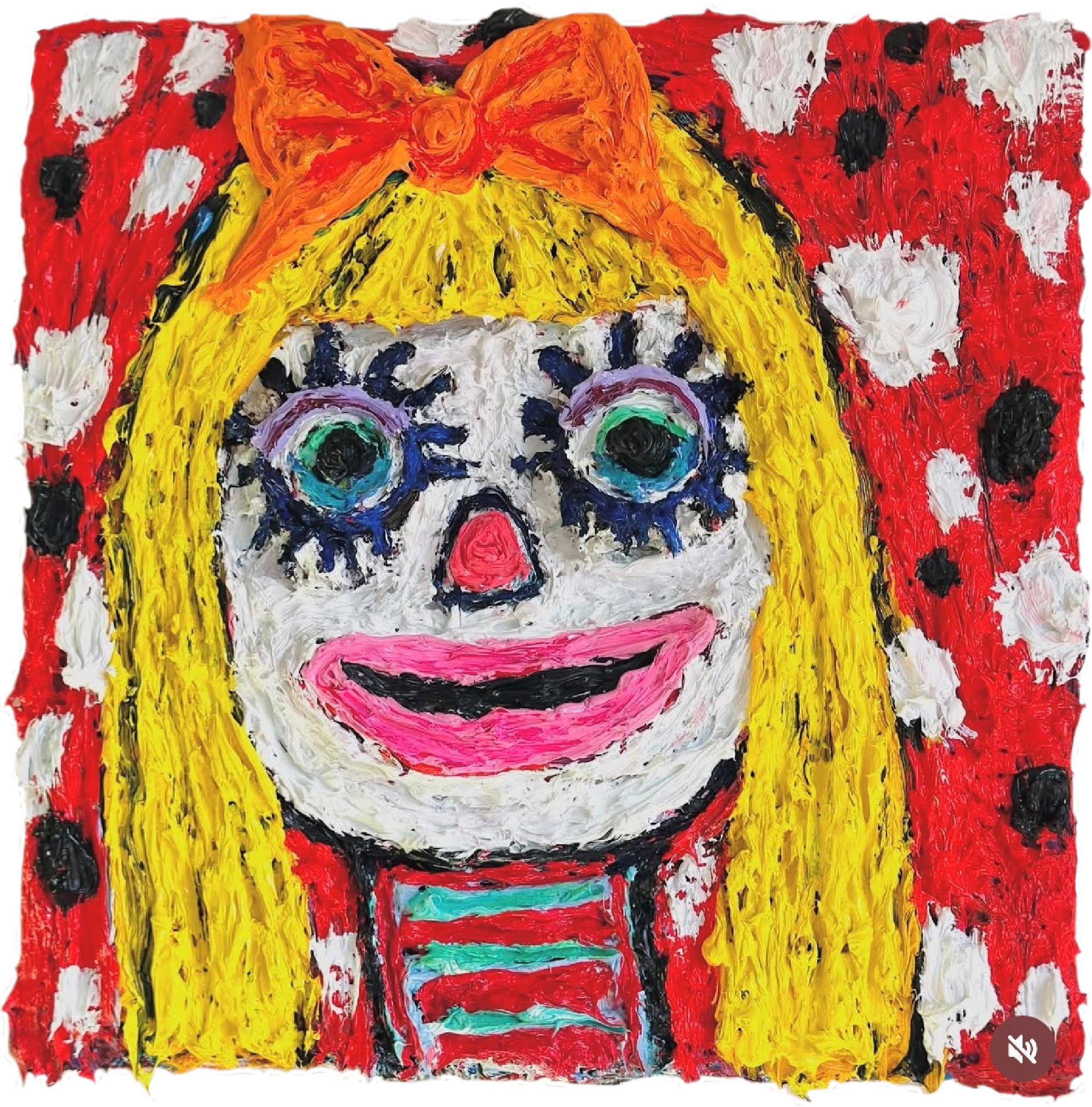
Susan Carr
Girl , 2025
oil on canvas
12 x 12 in.
30 x 30 cm
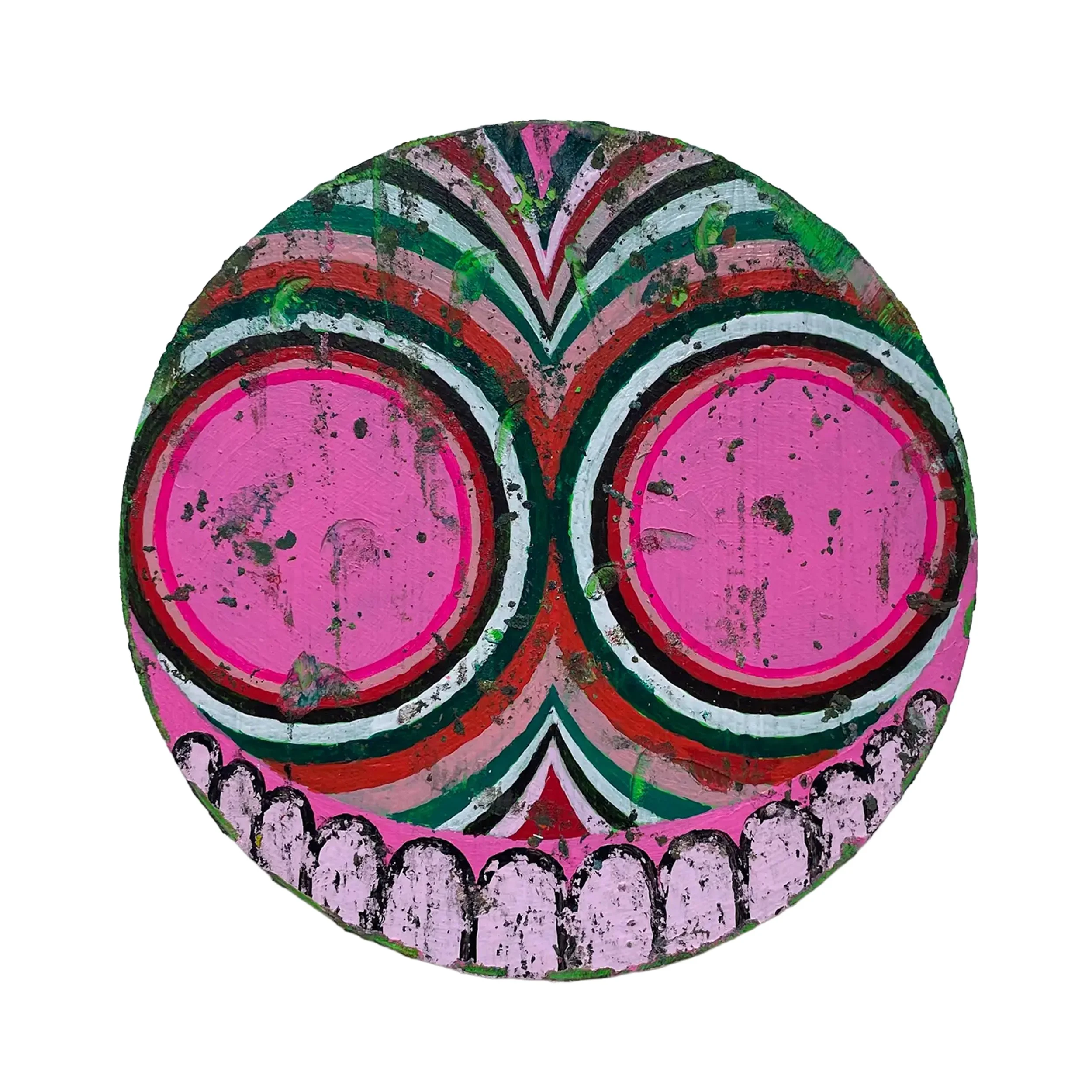
Jonathan Edelhuber
Under The Black Locust Treed, No. 10, 2024
acrylic on wood
3¾ x 3¾ in.
9 x 9 cm
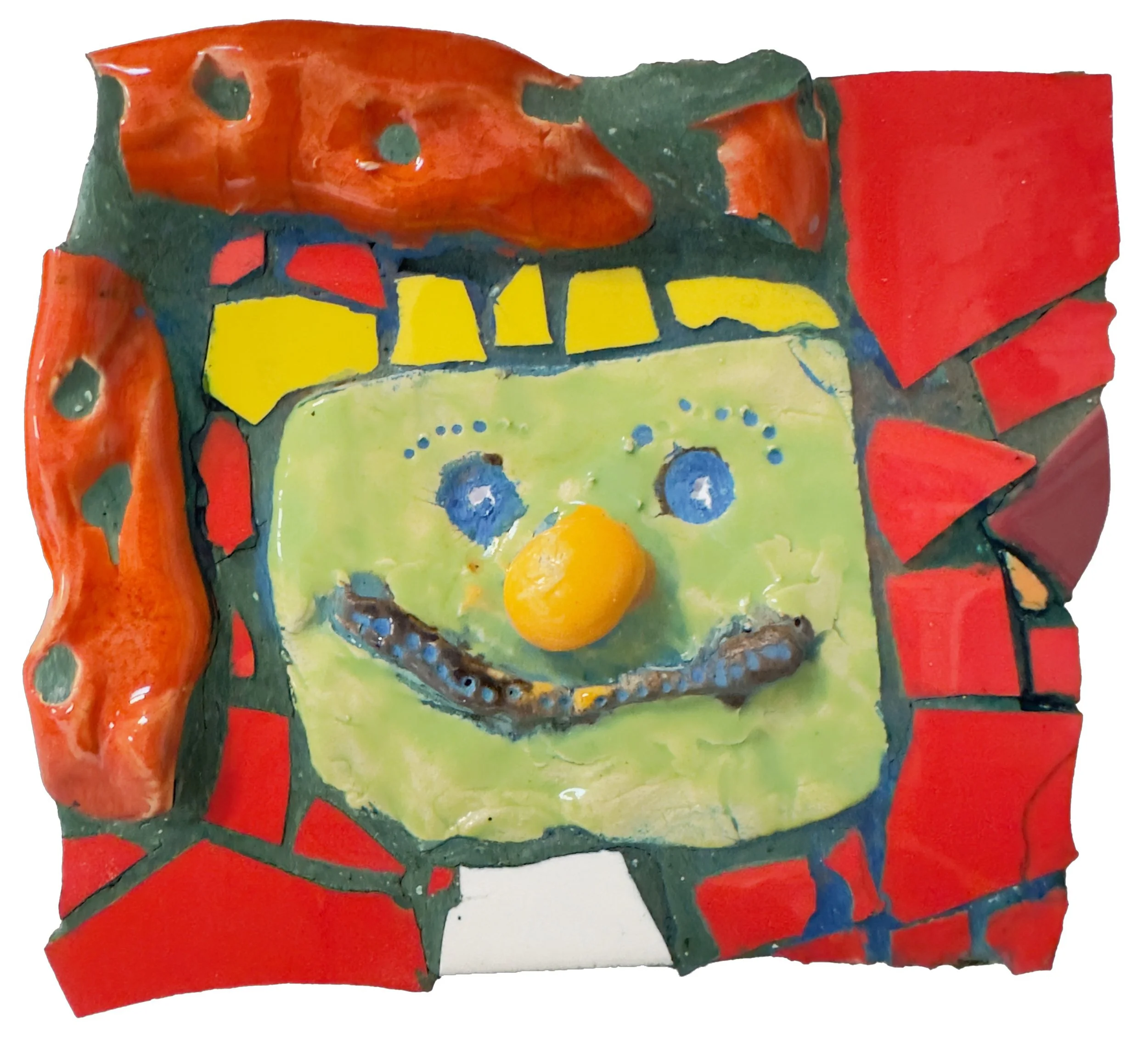
Mike Swaney
Yellow Bellied Drop Bear, 2026
Tiles and ceramic on wood panel
13⅜ x 10¼ in.
34 x 26 cm
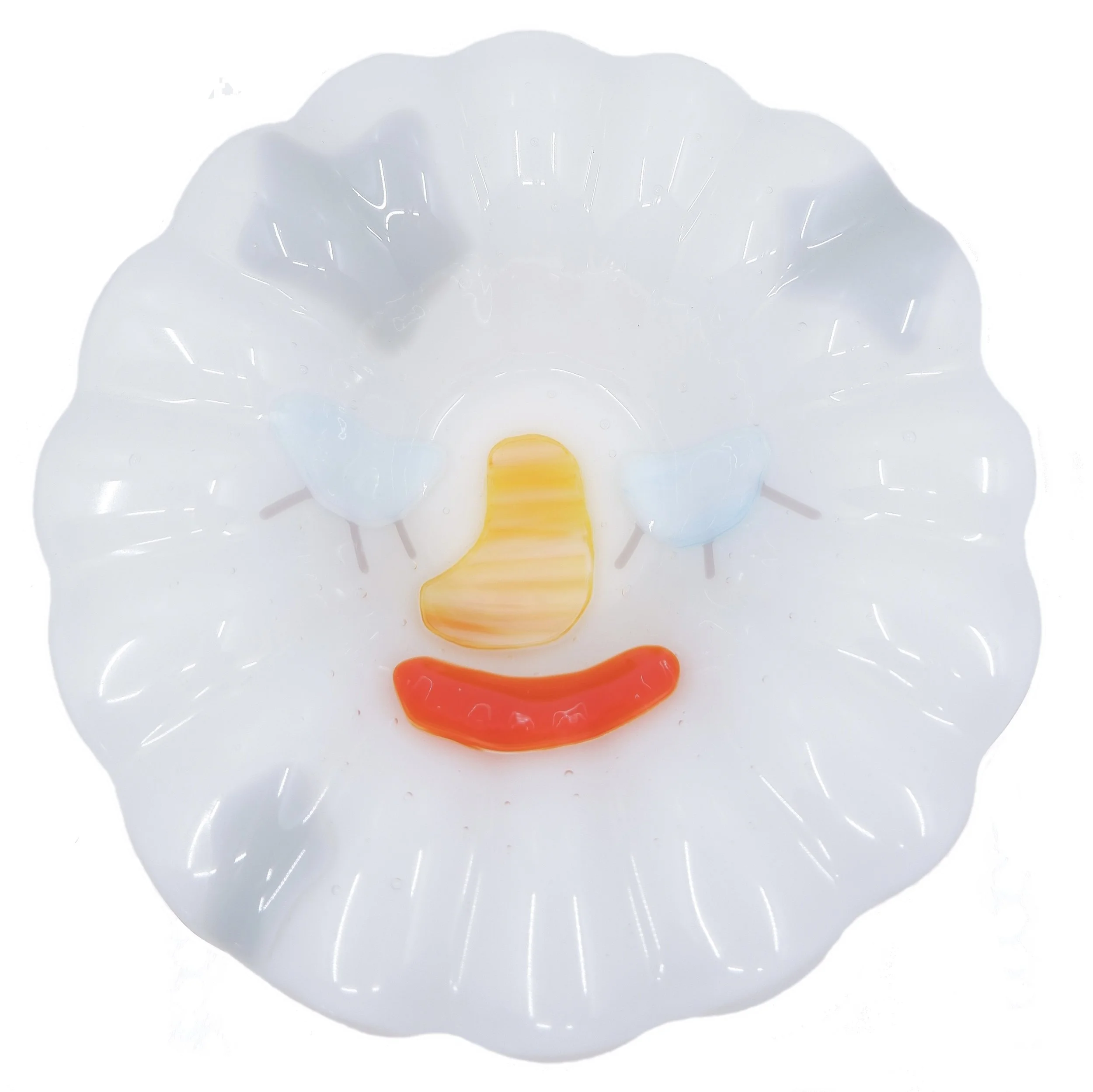
Finn O'Sullivan
Sleepy Star, 2025
Glass
6¼ x 6¼ x ⅜ in.
16 x 16 x 1 cm
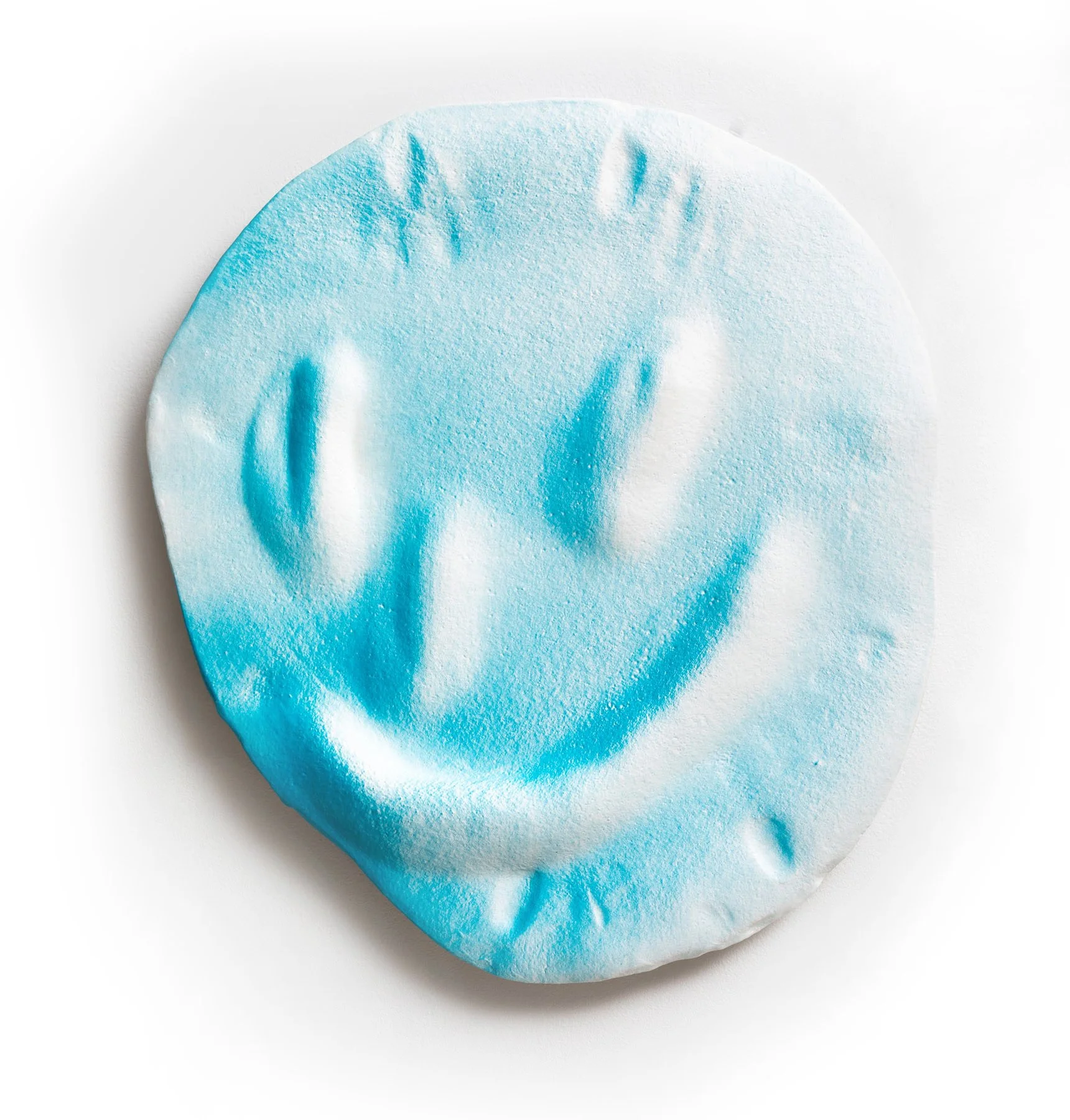
Dan McCarthy
Exclaimator / Cloud / Spaceghost, 2019
Ceramic clay, gesso, oil paint, matte varnish
17¼ x 18¼ x 2½ in.
43 x 46 x 6 cm
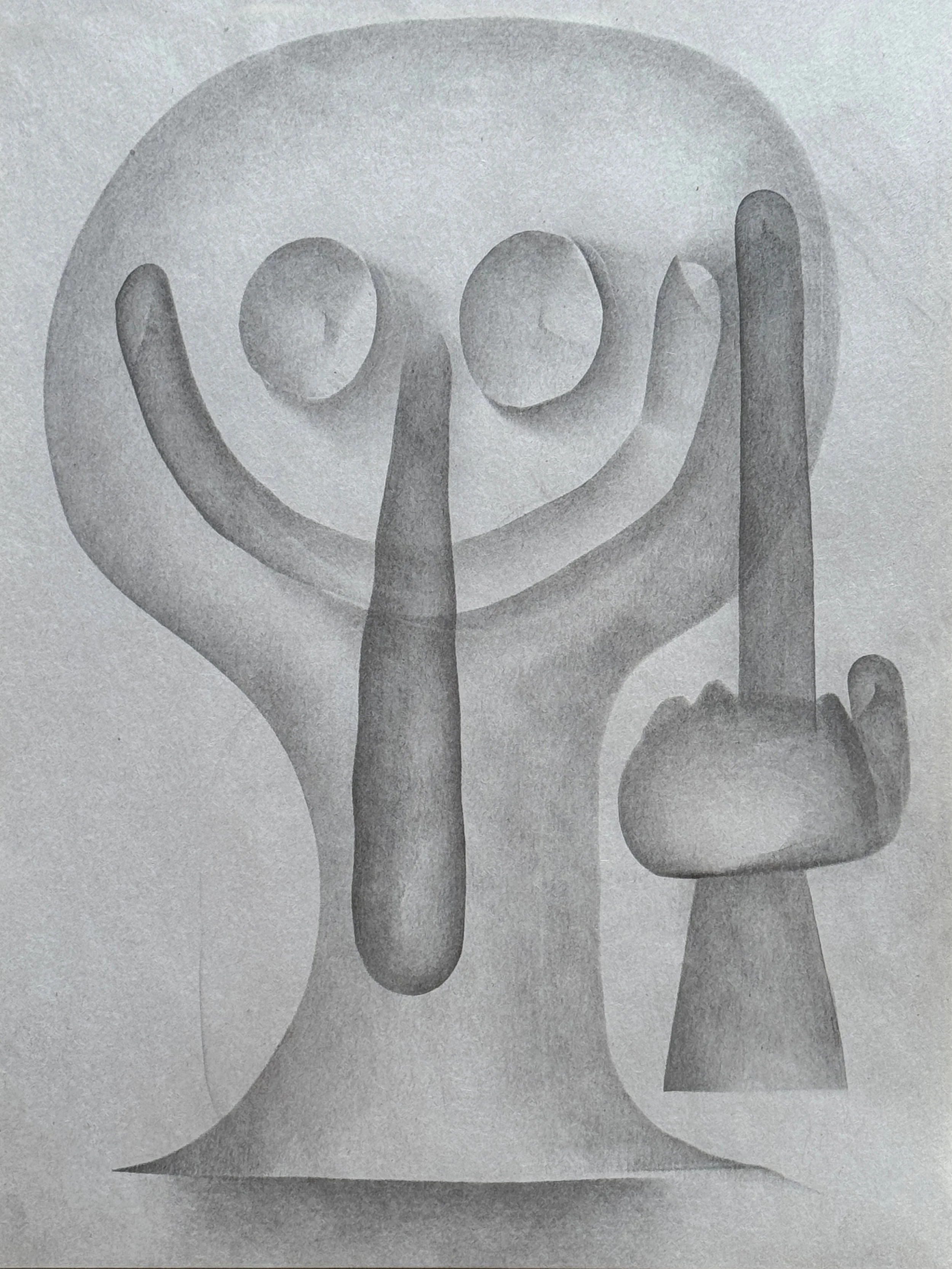
Tim Biskup
Mid Finger, 2026
Graphite on Newsprint
12 x 9 in.
30 x 22 cm
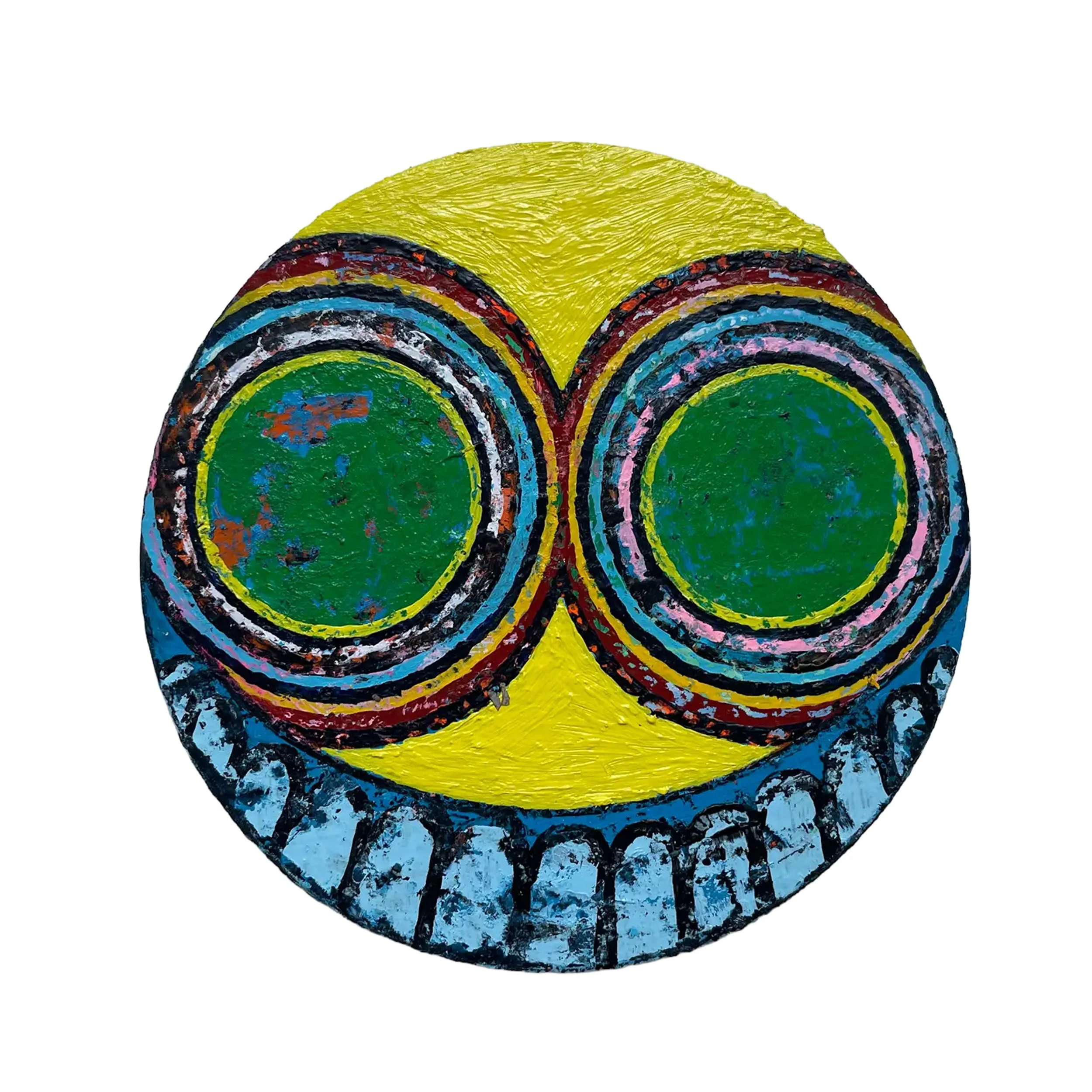
Jonathan Edelhuber
Under The Black Locust Tree, No.13, 2026
acrylic on wood
3¾ x 3¾ in.
9 x 9 cm